The Connection Between Your Emotions and Your Health

Our emotions are important messages that are sent to us by our minds about what we need to heal and live happy lives. It is a way of communicating with ourselves. Never repress, block, or ignore your emotions; instead, listen to them and their messages with loving compassion and understanding.

We often endure disease, illness, and chronic pain when we don’t listen to the emotional and mental conversations happening inside us.

Emotions are a natural response to our thoughts, feelings, and physiological experiences. They are intended to be encountered, digested, and processed through our body and mind, ultimately dissolving into the ether. Although this may seem easy enough, many struggle with their emotions and endure feelings of sadness, regret, shame, fear, or anger.

Many people grapple with releasing the past and surrendering to the magical unfolding of life. Some are so repelled by emotions that they bury them deep inside. But without realizing these emotions do not just disappear. When we do not reconcile our feelings or allow them to be expressed, they become trapped within our mind and body, causing us to expend enormous amounts of energy. In turn, this repressed energy obstructs the flow of information and depletes our vitality.

When we get sick or experience pain, our bodies are actually communicating with us, which can provide great insight into the emotional challenges we have in our lives. We have the incredible ability to heal just by understanding these messages to know how to move forward. Our bodies are talking to us all the time, and if we pay attention, we can consciously choose to translate and interpret the guidance being offered.

Rather than placing a Band-Aid on the symptom by drinking, shopping, overworking, or swallowing a pill, consider learning to spend time nurturing a relationship between your mind and body. Looking at ourselves holistically allows us to see there is no separation between our emotions and cellular makeup.

The mind-body lessons I learned the hard way (my life story)

Earlier in my life, I was miserable, or at least that was what I thought about myself. I believed that the people around me didn’t like me, didn’t want to be in any sort of relationship with me, or even didn’t want to have conversations with me. I perceived myself as an unpleasant, moody, rude, aggressive, unhappy, and unlikable person. I had a stressful job, unhappy relationships, and a lifestyle that was far from healthy. I was constantly tired and sleepy—I had to drink multiple cups of coffee just to get through the day. I couldn’t live without chocolate, as it was the only thing that made me happy. Despite being a medical doctor, I suffered from chronic headaches, gastritis, exercise-induced asthma, and unexplained infertility. I was dealing with acne without much success. On top of all of this, I hated myself. 

Few years later, I received loud and clear message from my body…It all began with a bump on my head and a bruise on my butt after I collapsed in my bathroom one Saturday morning while getting ready for my weekend job. After calling in sick and sleeping for twenty-four hours, I was back to my normal routine, but I was now really concerned about my health.

It wasn’t until I began my healing work many years later that I came to understand this was my body’s way of screaming at me to clear out the trapped toxicity and speak my truth. My illness was the catalyst for me to make rapid life changes. 

Tapping into your inner dialogue and working through emotions

When you feel a symptom, such as a stomachache, back pain, a headache, depression, or a skin rash, ask your body what message it is attempting to deliver to you. Describe the symptoms to yourself. What does it feel like? Listen to your body and have an honest conversation with it. For example, if I had a sore throat, I might feel a tight, burning restriction. What do you use your throat for? Communication. Therefore, you could ask yourself, “What am I feeling restricted to communicate? What am I burning to share?”

If I had a pain in my hip that was aching and my mobility was limited, I would ask myself, “What are my hips good for?” My answer may be movement. Therefore, I could ask, “Where in my life am I having difficulty moving forward? Where do I feel limited? What may be holding me back?” Each part of our body represents a different message, and if we fail to listen, it will eventually result in something serious enough that medical intervention may be the only way forward.

If we are able to acknowledge the messages our bodies are attempting to communicate with us, we most likely could avoid life-threatening illnesses. Imagine, you were trying to communicate a message to someone who could not hear you or who was ignoring you. You would likely repeat the message multiple times; eventually, you would get louder and louder. At first, we get occasional signs and symptoms that progress to more constant complains and diagnosable diseases or conditions at last. This is exactly how our bodies work.

The good news is that no matter how long we have been accumulating emotional pain, our essential nature is to be in balance, feel whole, and experience limitless potential. As we let go of the residue of past experiences, healing can occur. You can find more information about how to listen to your body by reading my book “Listen to Your Body and Regain Your Health”.  

Would like to find out how your emotions show up in your body as energetic stagnations or physical symptoms? I would recommend Bio-Energetic Body Scan.

New Year, New You

Can you undo the damage of holiday eating and reset your body ?

We know based on previous research that large meals tend to cause inflammation in the gut as well as in the body. This can create some damage that our bodies may need to clean up. The “cleaning up” mechanism is called Autophagy that I mentioned on my previous post about benefits of fasting. (Click here to read).  Auto means self, and phagy is to eat up. So essentially we are eating up our own damaged cells. After autophagy, our bodies need to go through a process of regeneration through circulating stem cells. Stem cells are precursor cells that turn into other cells. It’s the closest to a fresh start as you can get!


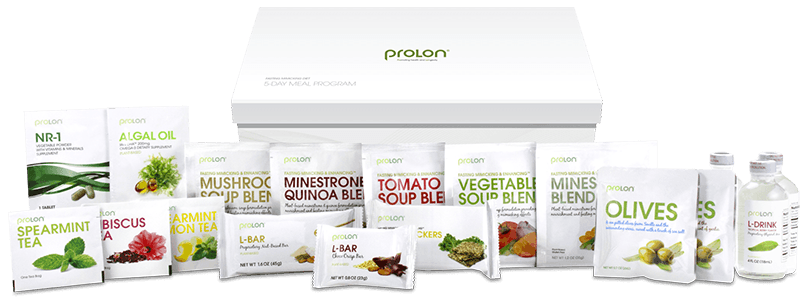
If you are not ready yet for 5 day water fast, the next best thing is the fast mimicking diet that has been heavily research for last 10 years by Dr. Longo and has been patented as a longevity dietary system. Prolon Fasting Mimicking Diet is the most researched eating system that funded by National Institute of Health. I am so eager to try it in the coming year.


What are benefits?

By tricking our bodies into fasting, we allow ourselves to undergo autophagy followed by stem cell regeneration. Furthermore, people tend to lose fat after 3 cycles (5 days a month for 3 months in a row). It has been shown to improve a vast array of cardiovascular and inflammatory markers such as cholesterol, C-reactive protein, and triglycerides.


This is a great way to jump start your new year and recover from the indulgences of the holidays. Lose weight, feel better, and even look better as we start the new year! Join my private Facebook group “Fasting For A Reason” here to take part in my first group fast of this year. Fasting together is always better that do it in isolation. Doesn’t matter what is your reason for fasting or the type of fasting: water, bone broth, juice or fast mimicking, come over to our group.  We start on January 17. 


Shop for ProLon

My reason for fasting is to reset my metabolism and take advantage of anti-aging benefit. I am planning to follow 5 days of Fast Mimicking Diet. If you would like to join me checkout our options for purchasing ProLon in our store – enter code VIP15  when asked for the doctor code. 


Use special code at checkout 

Enjoy 15% off all ProLon purchases using code VIP15

The Power of Vitamin C

Vitamin C, or ascorbic acid, is a water-soluble vitamin. This means that it dissolves in water and is delivered to the body’s tissues but is not well stored. In addition, unlike animals, human’s body doesn’t make vitamin C so it must be taken daily through food or supplements. 

Functions of Vitamin C:
  • Vitamin C is a powerful antioxidant. Even in small quantities vitamin C can protect critical molecules in the body such as proteins, lipids, carbohydrates, nucleic acids, DNA and RNA from oxidative damage.
  • Vitamin C also plays a critical role as a cofactor, a molecule that helps enzymes involved in chemical reactions.
  • Vitamin C is critical to immune function. It is highly concentrated in immune cells with neutrophils and leukocytes having roughly fifty to a hundred times higher vitamin C concentrations than plasma. One of the early stages of the body’s immune response to viral or bacterial infection involves neutrophil infiltration into an infected tissue where the cells engulf the pathogens and initiate their removal. Neutrophils generate large quantities of reactive oxygen species, but the high levels of vitamin C present in immune cells protect them from reactive oxygen species induced DNA damage. Vitamin C also appears to boost the immune system by promoting the proliferation of T cells (lymphocytes) and preventing T cell death. 
How vitamin C gets into the body’s tissues:
  • Vitamin C is present in the body in two different forms, either its reduced state, ascorbate or its oxidized state, dehydroascorbic acid. Dehydroascorbic acid (DHA) undergoes frequent intracellular recycling back to the reduced state. This cycle happens about four times for every vitamin C molecule.
  • Oral vitamin C is absorbed in the small intestine primarily via sodium dependent vitamin C transporters and to a lesser extent glucose transporters. Absorption of the vitamin C via sodium dependent vitamin C transporters is dose dependent and subject to transport our saturation.
  • Dehydroascorbic acid competes with glucose for uptake via glucose transporters in the gut. That means its uptake might be impeded in a person with high blood glucose levels like in diabetes. Fortunately most tissues, including those in the gut, don’t transport dehydroascorbic acid with the exception of red blood cells. Instead, they use sodium dependent vitamin C transporters to transport ascorbate. Red blood cells transport DHA only and they generate their own ascorbate via recycling after vitamin C is absorbed.
  • Ascorbate enters the plasma and then gets distributed throughout the body’s tissues. The concentration in different tissues varies with the lowest amounts found in muscle, heart and kidneys and the highest amounts found in the brain and vitamin C is found in high concentrations in adrenal glands and the brain as specially in the hippocampus and frontal cortex regions areas that are important for memory consolidation learning and aspects of executive function. The brain retains vitamin C during times of deficiency at the expense of other tissues. 
  • Vitamin C can be broken down in the liver into various intermediate molecules, and in the end vitamin C and its metabolites accumulate in the kidneys and are excreted in urine. Urinary excretion is directly proportional to plasma concentrations.
People with higher need of vitamin C:
  • Smokers, because smoking increases oxidative stress increasing antioxidant needs.
  • People who drink alcohol because alcohol consumption increases urinary vitamin C losses by nearly 50%.
  • A person with inflammatory bowel diseases, like Crohn’s or ulcerative colitis and kidney failure. Single dialysis session decrease the patient’s plasma vitamin C levels to roughly half of their pre dialysis levels. 
Bioavailability:

Bioavailability of oral vitamin C is both frequency and dose dependent.

It’s important to note that multiple high doses of vitamin C supplements, in the 2 to 3 gram range given 4 to 6 times per day, maintain plasma levels 2 to 3 times higher throughout a 24-hour period. 

A few studies suggest that oral bioavailability of vitamin C can be increased when consumed in liposomal form, but only in doses higher than 5 grams. Liposomal vitamin C doses less than 5 grams achieve similar plasma vitamin C concentrations as non liposomal vitamin C. The liposomal form took about an hour longer to reach the maximum vitamin C blood concentration and it’s half-life was 2 hours longer compared to free vitamin C indicating increased bioavailability.

Intravenous vitamin C bypasses intestinal absorption, which means that it also bypasses the saturable transport mechanisms.That means that the bioavailability of intravenous vitamin C is a lot higher than oral vitamin C, potentially reaching blood concentrations that are 30 to 70 times higher than can be achieved orally.

Warning:

Intravenous vitamin C is well tolerated and has low toxicity. The most commonly reported side effects include mild to moderate nausea, headache and dry mouth. Less common side effects include fatigue, hypertension, loss of appetite and hyperglycemia.

People who have hemochromatosis or whose iron levels are abnormally high should exercise caution when considering vitamin C supplementation due to its propensity to improve the absorption of dietary iron. 

People who have a deficiency in the enzyme glucose 6-phosphate dehydrogenase are at risk of hemolysis, the rupturing of red blood cells, when given high doses (40 grams or higher) of intravenous vitamin C.

Classic manifestation of severe vitamin C deficiency is scurvy, a terrible condition characterized by bleeding, swollen gums, poor wound healing, joint pain and bruising. These early features of scurvy show up in as little as three months of vitamin C depletion. As scurvy progresses, a person might experience shortness of breath, dry eyes, joint swelling, weakness, fatigue and depression.

Food Source of Vitamin C:
  • Citrus (oranges, kiwi, lemon, grapefruit)
  • Guavas
  • Papaya
  • Bell peppers
  • Strawberries
  • Tomatoes
  • Cruciferous vegetables (broccoli, Brussels sprouts, cabbage, cauliflower, kale)
  • Snow peas
  • Acerola cherry
  • Black currant

Healthy Thanksgiving

How can you stay healthy with American tradition?


Healthy Thanksgiving Swaps!!! 

Staying in can tempt us to overeat and reach for those tried-and-true comfort foods this Thanksgiving. Sometimes healthy swaps for food at holiday meals can be a challenge, but with these four tips, you can still enjoy the great taste of rich holiday food, and feel great about it afterwards.

1. Consider Your Source for Fruits and Vegetables

There are many resources out there about canned vs. fresh vs. frozen fruits and vegetables. The biggest takeaways are:

  • Avoid canned foods that are in a syrup with added sugars
  • Fresh fruits and vegetables are the best right after purchase
2. Remember That Alternative Does Not Equal Healthy

It’s a common misconception that shopping at health-conscious stores, or grabbing foods labeled “gluten-free” or “vegan” will make for a healthy alternative to traditional favorites. These alternatives can still contain high amounts of processed sugar, salt, and carbohydrates. Tale as old as time – don’t forget to read your labels!

3. Supplements, Supplements, Supplements

There are several different supplementation options before, during, and even after a meal. Begin with helping your gut and perhaps try an enzyme with your meal to help reduce the chances of bloating. And if you do overindulge, try out something like Atrantil to help you decompress.

4. Listen to Your Body – Be Mindful

You’ve likely heard about mindfulness, but sometimes it’s easier said than done – especially when surrounded by delicious food! One of the biggest and simplest ideas that we may forget is to simply stop and drink some water before that second or third serving. Grab that second serving because you want to, and because you’ve decided your body can take it.

SHOP OUR STORE

For healthy products to help with your holiday, shop our online store here – if you don’t already have an account, you can sign up for one here.

Shop any supplements in our online store at 15% off through 11/9/2020.

Use coupon Code: SUPP15 at checkout

Some restrictions apply.

This sale excludes the following brands and products: Marigold, Branch Basics, L-Nutra (Fast Bars), Bio-Up, HeartMath, doTERRA, RADIUS, Klaire Labs, Nordic Naturals, Purity Coffee, Rip Van Wafels, Thunderbird Bars, Vital Choice, Vitanica, Biome Research, and Austin Air

How to decrease Breast Cancer Risk Factors

October is breast cancer awareness month.

We all know somebody who was affected by this devastating disease. I am not exception. Two years ago, my best friend was diagnosed with triple negative breast cancer and I have been supporting her on her healing journey since then.

Latest statistic shows that 1 in 8 women in the United States will develop breast cancer in her lifetime. According to National institutes of health, Breast cancer is still number one cancer among women followed by lung and colon cancer.

Can we prevent it? Can we reduce the risk of developing cancer?

In the second video I talk about one of the risk factors that can predispose you to breast cancer.

If you would like to be tested, check here.

In the third video, I talk about microbiome and dysbiosis as one of the risk factors for developing many chronic conditions, including Breast Cancer.

How fasting can reduce risk of breast cancer?

Fasting is one of the oldest therapies in medicine. Many renowned physicians throughout history and many of the oldest healing systems have recommended fasting as a fundamental method of healing and prevention. Hippocrates believed that fasting enabled the body to heal itself.

Fasting is a part of most spiritual traditions in the world, including Christianity, Hinduism, Judaism, Buddhism, and Islam. Many of history’s great spiritual leaders fasted for mental and spiritual clarity, including Jesus, Buddha, and Mohammed.

Humans have experienced many long periods of famine in their history, and although it is influenced by many factors, it appears that most humans can survive for over a month on water alone. Historically, most organisms have lived in environments of feast- famine cycle and evolution has selected organisms that are able to withstand starvation.

Adaptation to starvation requires an organism to divert energy into multiple protective systems to minimize the damage that would reduce strength. It is thought that these systems can also prolong life and decrease cancer risk. According to a review by Drs. Longo and Fontana of the University of Southern California, calorie restriction is the most potent and reproducible physiological intervention for increasing lifespan and protecting against cancer in mammals(1).

There are three metabolic stages during fasting (2):

  1. The first phase can last for 10 or more hours and uses up glycogen stores for energy.
  2. Once glycogen stores have been depleted, the body turns to glycerol and free fatty acids released from adipose tissue. 
  3. These nutrients create ketones, which the body and brain can then use for energy. This phase can last for several weeks, depending on the size and health of the person.

Fasting results in a significant drop in insulin levels, as well as an increase in insulin sensitivity in a short amount of time. Given that insulin levels play a role in cancer risk, this is clinically important.

In 2014, Longo and colleagues demonstrated that fasting caused “old” immune cells to die in mice, which were replaced by stem cells as soon as the subjects resume eating. They concluded that a 3-day fast could help regenerate a strong immune system (3).

A 2007 study showed that alternate-day fasting, in which one day calories stayed at 400 for women and 600 for men, and the other day was unregulated, reduced blood levels of glucose, insulin and IGF-1 with a long-term risk reduction of chronic diseases including cancer, diabetes, and cardiovascular disease (4). Two calorie restriction studies, one that included women at moderately increased risk of breast cancer and the other that included newly diagnosed pancreatic cancer patients showed a decrease in tumor markers.

After learning about tremendous amount of research on fasting I started to implement an intermittent fast and a 5-day water fast in my life 3 years ago. I have seen many health benefits including cognitive improvement, mood and hormonal balance and slowed aging.

I am motivated to live a healthy lifestyle to decrease risk of developing breast cancer because I am a single mother off two kids and have high risk of genetic variants.

Are you ready to add fasting to your lifestyle? What is your motivation?

—->>> JOIN ME ON THE NEXT FASTING!!! <<<—-

1. Longo VD, Fontana L. Calorie restriction and cancer prevention: metabolic and molecular mechanisms. Trends in pharmacological sciences 2010;31:89-98.
2. Lee C, Longo VD. Fasting vs dietary restriction in cellular protection and cancer treatment: from model organisms to patients. Oncogene 2011;30:3305-16.
3. Cheng CW, Adams GB, Perin L, et al. Prolonged fasting reduces IGF-1/PKA to promote hematopoietic-stem-cell-based regeneration and reverse immunosuppression. Cell stem cell 2014;14:810-23.
4. Varady KA, Hellerstein MK. Alternate-day fasting and chronic disease prevention: a review of human and animal trials. The American journal of clinical nutrition 2007;86:7-13.

The Best Way to Boost Your Health

In this challenging time, the best way to boost our health is to unburden ourselves from toxins. 

In the last 50 years, we’ve seen a dramatic increase in the production and use of chemicals in the United States. Today there are over 87,000 chemicals registered for use on the market. Toxins have found their way in beauty products, household cleaners, carpets, furniture, mattresses, food and house dust. Concurrently, there’s been an increase in the incidence of cancers, diabetes, mood disorders, hormonal imbalances and obesity.

Most Commonly Found Toxins

Heavy metals like mercury, lead, radon, bismuth and arsenic. These heavy metals are prevalent in drinking water, some seafood, rice, vaccines, pesticides, preserved wood, antiperspirant, building materials, dental amalgams and paints. Even in trace amounts, heavy metals can pose significant health threats.

Bisphenol A (BPA). About 93% of Americans have BPA in their bodies. BPA sources include plastics, canned goods, meat packaging, and printed receipts. BPA has been recently replaced in many consumer products with other bisphenols like BPS, which studies are showing to be just as toxic.

Phthalates. Phthalates are a class of chemicals mainly used in scented products to lengthen the life of fragrances and used to make plastics more soft and flexible. Like in toys, plastic bottles, food packaging, shower curtains, blow-up mattresses, carpeting, vinyl flooring, cosmetics and perfumes, candles, air fresheners and sprays. Phthalates affect the reproductive system, contribute to obesity, diabetes, and thyroid irregularities. The US does not currently regulate phthalates.

Parabens. Parabens are commonly used as preservatives in skin and cosmetics products including many expensive “anti-aging skin products” and almost all personal care products that contain water. They are also found in store-bought food. It’s a known endocrine disruptor known for mimicking estrogen, linked to breast cancer.

Mold and mycotoxins. Mold can cause a range of health problems with exposure to only a small amount. Mold grows in warm, moist, indoor areas, and thrives on moisture (humidity and water) and cellulose (wood and paper), thus are most common in showers, behind walls, in crawl spaces and attics. Mold can also be present in foods, like nuts and legumes (especially peanuts), grains like wheat and corn and dairy products (except cultured dairy like yogurt and kefir).

Volatile Organic Compounds (VOCs). VOCs are a group of chemicals that become gas as room temperature, thus easily bringing gas pollutants into the home from a variety of sources. We call this “off gassing” There are over 400 compounds in the VOC family which have been identified in the home and of these over 200 can be found in carpeting! According to the EPA, VOCs tend to be 5X higher in indoor air than outdoor air, likely because they are present in so many household products.

The Effect of Toxins On Your Health

Over time, chronic and daily exposure to toxins add up – like tiny drops in a bucket – contributing to your body’s toxic load, eventually interfering with its ability to function optimally and subsequently leading to harmful effects on your health.

Research is now showing us that toxins play much more of a driving role in creating disease than we realize. According to the National Cancer Institute and the National Institute of Environmental Health Sciences data, environmental factors cause between 80-90% of all cancers.

Dr. Joseph Pizzorno, one of the world’s leading authorities on science-based natural medicine calls “Toxicity is the primary driver of disease.” Tracey Woodruff, director of UCSFs Program on Reproductive Health and the Environment, was quoted in an interview, saying the environmental toxins might be a missing factor in the cause and prevention of disease.

When your cumulative toxic burden is left unaddressed, it may lead to health challenges. If you’re struggling with a health condition or unexplainable symptom and you don’t know the root cause – toxic overload may be the culprit.

Where Toxins Are Stored

When toxins enter the body, they will be flagged as intruders. Some of the toxins are eliminated through our body’s natural detox pathways – our sweat, urine and stool – but our body has a limited detox capacity, so what the body is not able to remove, it stores.

Many environmental chemicals are lipophilic, which means they get stored in fat tissue. The more toxins accumulated  in the body, the more fat is needed to store them. This is a brilliant defense mechanism our bodies use to prevent toxins from freely circulating, but it’s also not a healthy long-term solution for toxins to be stored in our bodies in this manner, where they gradually accumulate over time and eventually cause disease.

And while the body can burn fat, it can’t burn toxins. So during weight loss or detox protocols for example, these previously sequestered toxins begin entering the bloodstream so they can be expelled from the body, however the process can be uncomfortable. People often feel feverish, achy, irritable, etc. This is referred to as a “Herxheimer reaction” and is also the reason why we recommend using binders to help usher these toxins out of the body. This is why safe and effective detoxification is crucial. When you get rid of toxins, you body doesn’t need fat for storage any longer.  Therefore, weight loss is one of the benefits of a properly structured detox program.

Should I detox?

If you are experiencing any of the following symptoms, it is time to detox:

  • Anxiety, depression, brain fog, memory loss, unexplained mood swings
  • Pain that won’t go away no matter what you do
  • Inability to lose weight
  • Thyroid problems
  • Hormonal swings
  • Chronic Fatigue

I never wait for any of the signs and symptoms to start detoxification. I detox twice a year to prevent any conditions and disorder and delay aging process. It has been a part of my lifestyle for last 15 years. I would like you to join me.

Join The 90-Day Detox

The 90-day intensive group detox is designed to go upstream and straight to toxins, such as heavy metals and environment chemicals. These toxins get stored in some of the most critical areas of our body, such as our glands, organs, brain tissue, and cells. When this happens, we experience a variety of symptoms like brain fog, weight gain, insomnia, fatigue, gut issues, inexplicable pain, etc. that can later lead to diseases like cancer, Alzheimers, diabetes, and obesity.

We take a 3-phase approach to detoxing that includes a Prep Phase where we support the body with vital nutrients to strengthen the detox organs, preparing them for the upcoming detox. In Phase 2, aka the Body Phase, we take methylation to the next level, pushing toxins from the body and capturing the toxins so that they can be fully eliminated from the body. In Phase 3, aka the Brain Phase, we focus on cleansing the brain at a cellular level, while nutritionally nourishing the brain’s natural energy system.

What’s included:
  • Expert guidance and education
  • Weekly Q&A Calls
  • On-on-On Sessions
  • All supplements for the 3 phases of detoxification
  • Comprehensive detox online portal
  • Additional resources to get the most out of your detox
  • Small group setting
  • Community Support
  • Plus, how to detox your home and mindset too!

Your Health Starts in Your Gut

At this moment, two to six pounds of microbes are living in and on you. They inhabit just about every part of the human body, living on the skin, in the gut, up the nose and other parts. Sometimes they cause sickness, but most of the time, microorganisms live in harmony with their human hosts, providing vital functions essential for human survival. Until recently, we didn’t know much about bags that live on and in our body.

The NIH research “Human Microbiome Project” ran from 2007 to 2012 has mapped the normal microbial makeup of healthy humans and created a remarkable reference database by using genome sequencing techniques to detect microbes in healthy volunteers. Human Microbiome Project has proven that the human body actually contains trillions of microorganisms; literally outnumbering human cells 10 to 1!

Do you believe that we get our first exposure to microorganisms during our birth?

You probably wonʼt remember this, but the very first poop you popped out as a baby was pretty extraordinary and even has a name – MECONIUM and consists of stuff that was already in the gut before the first meal. It is made up of stuff you ingested when you were in the womb, including skin cells and “lanugo”. Researchers at the University of Florida discovered in 2010 that new-born babiesʼ meconium already contains a diversity of bacteria. Surprise!!! According to popular myth, a baby was effectively sterile until the moment of birth.

However, while itʼs certainly true that babies are born with a certain amount of bacteria, most of their microbiome builds up over time, with the first few minutes of life being especially important.

Researchers at the Baylor College of Medicine in Houston compared changes in the vaginal microbiome of 24 pregnant women with 60 women who were not pregnant and found that the vaginal microbiome undergoes a dramatic shift in bacterial species in preparation for birth, principally characterized by decreased species diversity. A newborn is a bacterial sponge as it populates its own microbiome after leaving the womb. Passage through the birth canal gives the baby its first dose of microbes, so it may not be surprising that the vaginal microbiome evolved to make it a healthy passage.

What happens if baby enters the world as a result of a Cesarean section?

Well, then her first dose of bacteria is likely to come from her motherʼs skin rather than her vagina, an observation supported by a Swedish study which showed that babies born via C-section have gut bacteria which show significantly less resemblance to their mothers compared to those delivered vaginally.

1 in 3 American babies are born by C- section with mandatory IV antibiotic use during the surgery. It is a first harm that baby’s gut receives. You can add lack of breastfeeding, early vaccinations, and hospital infections to the pile and create a snowball effect of future health challenges. For example, research shows that babies that born prematurely without breastfeeding and early use of antibiotic have 30% more chance to develop depression and 217% more chance to develop bipolar disorder.

Some hospitals now allowed parents restore the balance after C-sections by “inoculating” their babies with a vaginal swab: incubating a piece of gauze in the vagina for an hour prior to delivery, then wiping it over the mouth, face, and body of the infant after delivery, in a process sometimes called “seeding”.

Not only mother pass her microorganisms to her baby. We exchange bacteria between each other every day. A Dutch study showed that a ten second intimate kiss between two people results in the exchange of 80 million bacteria.

A major hub of microbial focus is in the gut.

It is home to trillions of microorganisms, which are collectively known as the microbiome that has a profound impact on our health. Bacteria and other microorganisms carry out important work the body cannot do itself.

  • Digest our food. Humans don’t have all the enzymes we need to digest our own diet. Microbes in the gut break down many of the proteins, lipids and carbohydrates in our diet into nutrients that we can then absorb.
  • Make essential nutrients. The microbes produce beneficial compounds, like vitamins, minerals and anti-inflammatories that our genome cannot produce.
  • Rule our brain. The enteric nervous system is sometimes referred to as a “second brain” because it relies on the same types of neurons and neurotransmitters that are found in the central nervous system. A Harvard educational article describes this phenomenon as the “brain-gut axis.” The vagus nerve is the connection between the gut and the brain that works equally both ways. The brain sends messages to the gut to control its function through the vagus nerve by sympathetic and parasympathetic influences. (fight and flight or rest and digest). From the recent research, we learned that the neurotransmitters such as serotonin and dopamine that produced by microbes in the intestines carried up to the brain by sensory vagus nerve fibers and affect the brain function, particularly our mood. So, choose your food wisely because you are what you eat.

The gut microbiome consist of a network of millions of different species of bacterias, viruses, funguses, parasites and other microorganisms that divided to beneficial, pathogenic and commensal (that can go to either side) and live in symbiotic relationships. Our goal is to keep them in check by supporting them with ph balanced divers diet and healthy habits.

We need to consider each part of the gastrointestinal tract.

  • The mouth (saliva and chewing helps/infection, smoking, metals)
  • The stomach (gastric acid/ anti-acid, PPI’s, drinking with food, cold drinks- H. Pylori)
  • The small intestine ( bile from gall bladder alkaline, small amount of microbes)
  • The colon ( majority of microbiome reside/candida, parasites)

The microbial balance in the gut can be shifted in many ways due to multiple factors. It is called dysbiosis.

We will address few gut issues here.

1.Constipation is the result of the stool traveling too slowly. It could be due to lack of fiber in the diet, not drinking enough, sedentary lifestyle, medications or other problems.

2. Diarrhea, on the other hand, is a result of the stool passing too quickly, especially through the large intestine where much of the water gets absorbed. This can result from stomach viruses, food allergies, intolerances and digestive disturbances amongst other things. Regardless, chronic constipation or diarrhea is not normal.

Is There An “Ideal” Poop?

It is brown, which is the ideal color, due to the bile secreted in our gallbladder. You should hear a “plop” when your poop hits the toilet water and it should sink. If the size is about 4-8 inches and resembles the shape of a snake and doesn’t’ smell too much, give yourself a cheer! In addition, normal poop requires no straining for elimination.

3. SIBO (Small Intestine Bacterial Overgrowth), which occurs when bacteria that should be in the colon are found in the small intestine. There are few conditions that can lead to SIBO. These include decreased gastric acid secretion (maintaining an acidic environment in the stomach prevents pathogenic bacteria invasion), decreased waves of bowel wall muscular activity (motility) , lack of immunoglobulins (anti-inflammatory factors) in the intestinal fluid, and disfunction of a valve that normally allows the flow of contents into the large bowel but prevents them from refluxing back into the small bowel. (This is called the ileocecal valve because it’s located between the ileum, or terminal end of the small intestine, and the cecum, a pouch forming the first part of the large bowel.)

SIBO symptoms and signs

  • Abdominal pain
  • Bloating
  • Indigestion
  • Diarrhea
  • Excess gas or flatulence

4. Candida – overgrowth of yeast in the colon and outside

Symptoms of Candida:

  • exhaustion
  • cravings for sweets
  • bad breath
  • a white coat on your tongue
  • brain fog, hormone imbalance
  • joint pain
  • loss of sex drive
  • chronic sinus and allergy issues
  • digestive problems
  • a weakened immune system
  • UTIs

5. Parasites – small or large parasites living in the gut

Signs of parasites:

  • constant illness just in general
  • chronic illness
  • different nail funguses
  • constant fatigue
  • difficulty sleeping and waking up
  • rectal itching

6. Leaky gut, also called increased intestinal permeability, is a condition that occurs when the tight junctions that make-up the wall of the intestines become inflamed and allow undigested food proteins, bacteria, and toxins to leak across the lining and into the bloodstream. Once this protective barrier is compromised, the immune system reacts and triggers body-wide inflammation. When the condition is severe, everything that a person consumes becomes an irritant and drives persistent, systemic inflammation, which also increases the risk of developing other chronic diseases. Hippocrates once said, “All disease begins in the gut,” and modern science is proving these words to be true.

Various conditions associated with leaky gut:

  • Autoimmune disease
  • Digestive disorders (IBS, Celiac disease, Crohn’s) and food sensitivities
  • Skin disorders such as acne, psoriasis, and eczema
  • Arthritis
  • Autism
  • Depression
  • Chronic fatigue syndrome
  • Fibromyalgia
  • Parkinson’s Disease
  • Kidney Disease
  • Obesity
  • Diabetes

Good gut health is fundamental to our physical and mental wellbeing, yet digestive disorders are more prevalent than ever. We need to make proactive efforts to protect our digestive systems from damage caused by overwhelming external and internal stressors.

What are triggers?

Your diet:

  • Gluten
  • Nightshades
  • Sugar
  • GMO
  • Glyphosate from non-organic produce
  • Inflammatory Omega 6/Omega 3 ratio
  • Hydrogenated process oils

Your lifestyle:

  • Environmental toxins
  • Sleep deprivation
  • Chronic stress
  • Alcohol

Your history:

  • Chronic antibiotic, hormonal or NSAID use
  • Have metals toxicity
  • Chemo or radiation treatment
  • Vitamin/nutrient deficiencies
  • Hormone imbalances
  • Cesarean birth
  • Traumatic brain injuries

Your infection:

  • Candida
  • Parasites
  • Viruses
  • H. Pilory
  • Lime disease
  • Oral infections

How to heal the gut?

The only way to begin healing leaky gut is to remove the offending sources. Once you’ve removed the triggers, incorporate foods and lifestyle changes necessary for the gut to self-repair. Remember that healing takes time, involves many factors, and is a unique process for each individual. 


Identify food intolerance – Keeping a food journal can be very helpful for isolating food sensitivities. You can also try an elimination diet. To do this you must avoid common food allergens for one month and reintroduce each food one at a time. Top food allergens include (but are not limited to) gluten, dairy, eggs, corn, soy, and nuts. Also you can do food sensitivity testing, so you will know exactly what food to eliminate from your diet for some period of time.

Manage stress – You will not heal the gut, or any condition for that matter, if you CHOOSE to be constantly stressed. My favorite way to manage stress is meditation. Spending time in nature is healing to the mind, body and soul. I also suggest spending time with loved ones, laughter, volunteering for a cause you believe in, listening to peaceful music, cooking a healthy meal, and practicing gratitude.

Play in the dirt – Our germ-fearing, overly-sanitized world has had major negative consequences on our immunity and gut health. Don’t fear a little dirt; it’s fundamental to good health, especially in childhood . Gardening is an excellent way to get your hands dirty, and if you’re growing your own food, all the better.

Fasting – There is truly no faster way to down-regulate inflammation and jump-start healing than fasting. Fasting works wonders for many health conditions, but is especially restorative for a leaky gut because it provides a break from digesting food, allowing time to “heal and seal” the lining. 


Fermentation – We achieve good gut health when we provide our guts with a wide variety of unique—and undiscovered–bacteria that cannot be exclusively found in a probiotic pill or powder. Through the fermentation process, bacteria already in vegetables and dairy products are brought to life. 


Probiotics – In addition to diet and lifestyle changes, include high-quality physician grade supplements to assist healing.

Detox – There is no true healing without removing toxins from the body and improving cellular function. Removing bio-toxins along with parasites or candida will give the gut an opportunity to heal itself.

Add Lemon or Apple Cider Vinegar – They improve the production of stomach acid (HCl), which helps with the effective breakdown and absorption of foods and better elimination of waste. Aim for 1 tablespoon of lemon or ACV in warm water as first thing in the morning and about 10 minutes before meals.

Exercise – Exercise helps the body to build and move Qi which will optimize how you process your food.  Tai Chi or Yin yoga works on improving the health of all organs while incorporating breath-work. Also the simple act of moving our bodies helps move stool through the system.


Gut-healing foods:

  1. Bone broth (from grass-fed animal bones)
  2. Good fat: Grass-fed butter, ghee, or coconut oil
  3. Cultured food: Raw, grass-fed yogurt or kefir; coconut water, Kombucha (if no candida overgrowth)
  4. Naturally fermented foods, such as sauerkraut, kimchi, pickles (without sugar)
  5. Variety of plant and animal based food, multicolored vegetables and fruits
  6. Prebiotic foods (promote the growth of good gut bacteria) like dandelion greens, chicory root, jicama, Jerusalem artichoke, garlic, onion, and leeks. 


Note: Fermented food should be avoided if you have SIBO until misplaced microbes regulated.

Some herbs and spices to add to your foods:
  • Turmeric  
  • Cayenne
  • Ginger
  • Oregano
  • Black Pepper
  • Rosemary
  • Coriander Seeds
  • Cloves
  • Cumin

You can try some recipes with these spices here.
Use your DNA to personalize diet and lifestyle

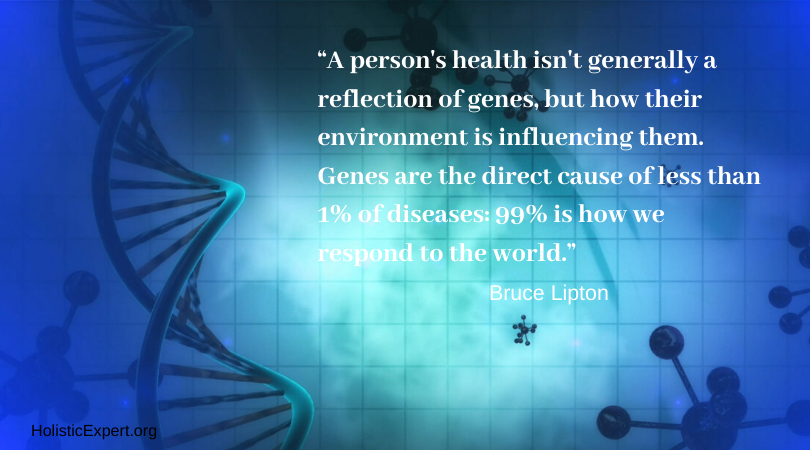
Most people think that we are born with a unique set of genes that come from both of our parents and that they determine our destinies. However, your genotype is not your fate. It means that any genetic predisposition to diseases, behaviors, and addictions can be altered. This is possible through gene expression.

Gene expression shows up as phenotype and includes not only straightforward visible characteristics like your height and eye color but also your overall health, your disease history, and even your behavior and general tendencies.

A lot of research has been done in recent years on the epigenome and the effect of environmental factors on a gene’s expression. Epigenes overlay the DNA sequence code of the genes and influence their activities. The simplest way to think about the epigenome is that it’s all about the biochemical switches (signals) that turn genes on and off in particular cells at particular times of life. The biochemical switches of epigenes are mechanisms that change the behavior of genetic material without changing any DNA sequences. Signals come from inside the cell, from neighboring cells, or from the outside world (environment).

Early in development, most signals come from within cells or from neighboring cells. Mom’s nutrition is also important at this stage because it is an information for the cell function. The food she brings into her body forms the building blocks for shaping the growing fetus and its developing epigenome. Other types of signals, such as stress hormones, antibody or toxins can also travel from mom to fetus.

After birth and as life continues, a wider variety of environmental factors start to play a role in shaping the epigenome. Social interactions, physical activity, diet, and other inputs generate signals that travel from cell to cell throughout the body. In early development, signals from within the body continue to be important for many processes, including physical growth and learning. Hormonal signals trigger big changes at puberty and reproductive age.

Even into old age, cells continue to listen for signals. Environmental signals trigger changes in the epigenome, allowing cells to respond dynamically to the outside world. Internal signals direct activities that are necessary for body maintenance, such as replenishing blood cells and skin, and repairing damaged tissues and organs. During these processes, just like during embryonic development, the cell’s experiences are transferred to the epigenome, where they shut down or activate specific sets of genes. For instance, shutting down apoptotic (programmed cell death) genes and activating cell growth genes will result in tumor creation.

Chemical pollutants, dietary components, temperature changes, and other external stressors as well as metabolic byproducts, oxidative stress, and other internal waste can indeed have long-lasting effects on human development and health—sometimes even in subsequent generations—by modifying gene expression. Some examples of epigenetic changes are aging, many types of cancers and degenerative diseases like type 2 diabetes, cardiovascular diseases, Alzheimer’s disease, autoimmune disorders, and many other mental and physical conditions. It means that your lifestyle, dietary choices, behaviors, and habits can positively or negatively affect your own and subsequent generations’ gene expression.

The way we nurture our bodies affects our genes.

Research shows that dietary chemicals (nutrients) can affect gene expression directly or indirectly. At the cellular level, nutrients may:

  1. Act as receptors,

  2. Be metabolized by metabolic pathways, or

  3. Positively or negatively affect cell signaling.

The interaction between the nutritional environment and the cellular/genetic processes is being referred to as “nutrigenomics”. Nutrigenomics is how common dietary chemicals (i.e., food) affect health by altering the expression and/or the structure of an individual’s genetic makeup.

The University of California at Davis published its study on nutritional genomics in 2003 and concluded:

  1. Common dietary chemicals act on the human genome, either directly or indirectly, to alter gene expression or structure.

  2. Under certain circumstances and in some individuals, diet can be a serious risk factor for a number of diseases.

  3. Some diet-regulated genes are likely to play a role in the onset, incidence, progression, and/or severity of chronic diseases.

  4. The degree to which diet influences the balance between healthy and diseased states may depend on an individual’s genetic makeup.

  5. Dietary intervention based on knowledge of nutritional requirements, nutritional status, and genotype (i.e., individualized nutrition) can be used to prevent, mitigate, or cure chronic disease.

Based on the knowledge we gain from this research, modifying your diet can help you be in control of your own health and produce healthy offspring, since diet can influence gene expression.

We each have unique genetic makeups that makes us process, digest, and assimilate the foods we eat differently. This can scientifically explain the expression “What is a good food for one person can be a poison for another.” No diet is “one size fits all.” What your skinny girlfriend eats might not agree with your unique metabolic type or the way you process certain foods.

In the beginning of my wellness-consulting career, I noticed that some people didn’t respond to nutritional regimens or detox as well as others. As I explored the subject of nutrition and healthy living more deeply, I discovered and learned the mind-body-spirit concept and a holistic way of practice. Bioindividuality is the main approach I now implement in my work, and it allows me to look at the person’s nutritional, physical, and mental needs from a whole body perspective.

I believe that Nutrigenomics is a very promising discipline that allow us to utilize the concept of personalized nutrition based on an individual’s genetic makeup, and it can change the future of health care. Only 5 years ago, when I was writing about it in my book “Listen to Your Body and Regain Your Health”, epigenetic testing was available only in scientific setting. Now it is accessible for anyone who is interested in optimizing health, prevent diseases and prolong life.

If you would like to take advantage of an introductory price for epigenetic testing, please order it here.

If you would like to know if it is a right test for you, please schedule a free 30 minutes consultation with me here.

Stress or not to Stress

What does come to your mind when you hear the word STRESS?

What is STRESS for you?

Stress is very common word that we use everyday and stress is part of our life. Actually, it is beneficial at a small degree. Stress is a vital warning system that we inherited as mammals. It is a survival mechanism producing the fight-or-flight response that is very much needed to protect us from danger. To avoid car accidents or to react and defend ourselves in a threatening situation. 


Imaging yourself walking on the street and suddenly you hear a gun shut and bullet flying next to your ear, almost touching. What do you do? You run, hide or frizz.

A gun shutter drove away, and you shake yourself off and continue walking like a gazelle after lion chase. Right? Not, really.

You call your friend or loved one to vent, you post your story on social media to seek the reaction from your social bodies, you share your experience with everybody at the next family gathering. Do you know that every time you talk or think about the stressful event your brain react to it. Therefore, you continuously perpetuate your body’s stress response for long periods.

Therefor, you allow acute stress become chronic. You add multiple stressors to your stress bucket that might be already overflowing. Your stress system can quickly become overwhelmed and break down. You will start experiencing physical effects of chronic stress, such as high blood pressure, weight gain, insulin resistance and other chronic conditions.

Lets look at the different types of stressors that we get bombarded with every day. Some of them are very obvious and familiar, others are hidden and unknown.

I like to divide stressors that contribute to your stress bucket into 3 major categories.

Emotional:
  • Relationships
  • Emotional trauma
  • Unsatisfied marriage
  • Dysfunctional families
  • Adverse childhood experiences
  • Work demand
  • Multitasking and dead lines
  • Unsatisfied job
  • Caring for kids, old parents, sick person
  • Financial problem
Physical:
  • Long working hours
  • Multiple jobs
  • Occupational hazards
  • Overexercise
  • Under-exercise
  • Chronic inflammation
  • Physical illness or trauma
  • Posture
Chemical:
  • Environmental pollution (air, soil, water)
  • Household environment (cleaning products, detergents, carpet)
  • Personal care products (toothpaste, shampoo, cosmetics, perfume)
  • Work environment (A/C or heaters, chemicals, hand sanitizer)
  • Food (Sugar is #1 toxins, preservatives, artificial colors, flavors, taste enhancers like MSG, GMO, animal products)

It can be overwhelming with so many internal and external stressor. Today I would like to give you few tips that you can start implementing in your life to become resilient.

10 Tips to Overcome Stress
  1. Don’t worry about people or circumstances that you can’t control (Politics, weather, interest rate, traffic jam, your annoying cousin or needy friend). Instead, surround yourself with loving and supportive people.
  2. Find the job you love or love the job you do. (Find positive things in your working environment).
  3. Have some physical activity every day. (Take steps, park faraway, walk – don’t drive, Jump, push-ups/squats)
  4. Have a good quality night sleep of 7-8 hrs (go to bed before 10 every day, turn of WiFi, last food 3 hrs before bed)
  5. Avoid toxins in your food, drink and home environment ( no sugar and processed oils, cook at home from fresh or freshly frozen food, no packaged food, drink filtered water, wash with soap and water, clean with baking soda and vinegar)
  6. Practice 3-parts breathing (inhale short-pause-exhale long).
  7. Detoxify your body two times per year (fasting 1-5 days). Detoxification has become apart of my lifestyle when I learned about toxins that destroyed my health. 
  8. Act from LOVE not from FEAR (eat and move to love your body, be grateful for what you have, love yourself the way you are).
  9. Have time for yourself – self-care (apply “airplane rule”).
  10. Find a purpose in your life.
“The two most important days in your life are the day you are born and the day you find out why.”

-Mark Twain

Today you learned about your stress bucket and 3 types of stressors that you can eliminate from your life and environment. That knowledge is a key to success in your journey to better health and happiness but taking action is a door that you need to open with that key.

So, Act today!!!

THE OPPOSITE OF LOVE

If light is love, than fear is its shadow

― L.J. Vanier

The opposite of love is not hate. It is fear.

There are only two basic emotions people can express, and those two emotions are fear and love. All other emotions are subcategories of these two. If there is love, we may experience peace, joy, contentment, serenity, and forgiveness. On the other hand, when there is fear, we feel anxiety, sadness, depression, fatigue, judgment, guilt, and so on. You see, where there is love, fear cannot survive, and where there is fear, love cannot survive. They can’t live together.

Love is within us. We were all born with this emotion; it was given to us. As time went by and we started developing as individuals, we started creating a new world for ourselves, a different world. This world—based on our unpleasant past experiences, misfortunes, wounded childhoods, dysfunctional environments, or misleading social and cultural influences—is nothing more than illusion. This illusion that was created in our mind keeps us in our comfort zones, common places with familiar people and circumstances that prevent us from entering unknown and uncertain futures with enigmatic and obscure possibilities; our comfort zones holds us back from reaching success, attaining happiness, or allowing personal growth and development. It is fear.

Love and fear are two motivational forces in life. Every major decision we make as human beings is based on either love or fear.
We quit jobs and start our own companies out of love: for product, a new industry, or just an idea about how something could be done better.

  • We get married out of love despite cultural and religion differences or family disapproval.
  • We stay in jobs we don’t like out of fear that we can’t make a living elsewhere or of what will happen if we change.
  • We move to new jobs, new places, or new relationships out of fear of what will happen if we stay.
  • We marry the wrong people out of fear of being alone.
  • We get involved in multiple shady businesses out of fear of missing out.


The decisions we make from love are the best decisions of our lives, whereas those we make from fear are usually the ones that hold us back. 
So use this litmus test whenever you face a decision: are you operating from fear or love? 
If love is stronger, you will know it immediately because in general your life will hold a measure of inner well-being, self-assurance, confidence, and peace. Love-based intention and action create more love, joy, happiness, and abundance in your life. The more you are kind to others, the more the universe will manifest opportunities for you to give and receive blessings.

Being ruled by fear means that there is a negative charge to your daily life. It means—in simple terms—that you are not confident that you will be fine no matter what occurs. In other words, you are fearful of some things happening essentially because you believe that if those things happen you will suffer. Fear- based intentions and actions create opposition, competition, and enemies. The stronger you believe in your fear, the stronger the opposition and competition that will manifest from the universe to test your strength.

Choosing love doesn’t mean you will never fear again. In fact, it means that many of your fears will come up to be healed. This is an ongoing process. Remember that you will experience fear after you’ve chosen love, just as we become hungry after we eat. We must continually choose love in order to nourish our souls and drive away fear, just as we eat to nourish our bodies and drive away hunger.  
Love, and especially self-love, has to do with confidence, with caring for yourself and knowing that because you care for yourself, you are able to handle things as they arise in your life—even when those things are difficult or painful. This kind of love develops the firm inner conviction that you can deal with any of the cards that life throws you. That does not mean, by the way, that you will always win or always be successful, or that you will always get what you want. It simply means that no matter what happens, you will be able to deal with it in such a way that your inner well- being remains in balance.

What prevails in your life?

Is it love? Or is it fear?