The only cure of cancer is PREVENTION

I want to share something with you. My best friend just got diagnosed with breast cancer. She became yet another statistic of the fastest growing second leading cases of death. I don’t want to be a statistic and I don’t want you to be one either. That is why I have to share this information with you.

The statistics

Cancer is still a second leading cause of death. Approximately 600,000 people in the US die from some type of cancer every year. According to the World Health Organizations, the global cancer burden rises to 18.1 million new cases and 9.6 million cancer deaths in 2018. Lung cancer is the most commonly diagnosed cancer in men (14.5% of the total cases in men) and the leading cause of cancer death in men worldwide. Breast cancer is the most commonly diagnosed cancer in women (24.2%, i.e. about one in 4 of all new cancer cases diagnosed in women worldwide are breast cancer). About 1 in 8 U.S. women (about 12.4%) will develop invasive breast cancer over the course of her lifetime. About 7% of young women under 40 are diagnosed with breast cancer in US.

Cancer fight

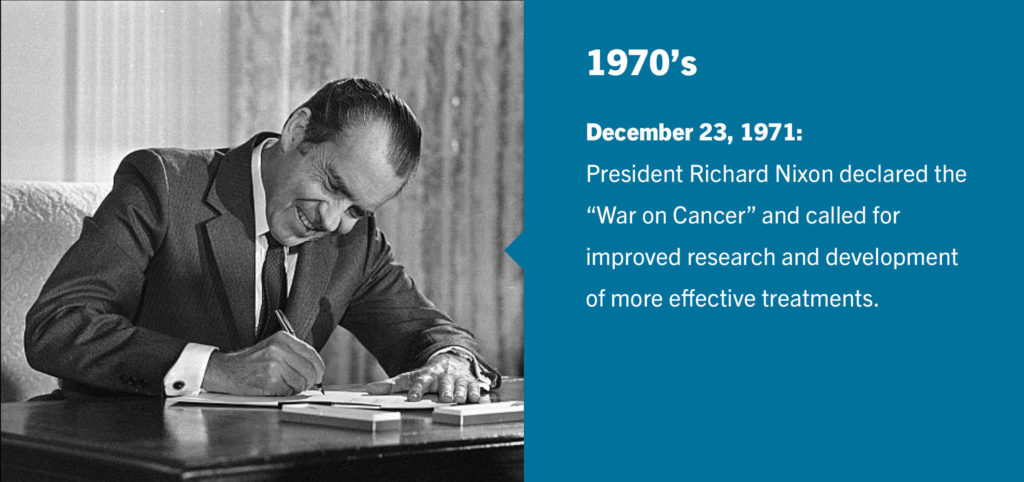
In 1971, President Nixon declared a war on cancer but since then the number of all cancers is still growing. From 1980 to 2000, the U.S. population grew from 227 million to 279 million (a 23 percent increase). During that same time period, the total yearly cancer incidence increased from 807,000 to 1.34 million (a 66 percent increase).
Government and other organizations spend billions and billions of dollars on cancer research. We donate money to find a cure for cancer. We raise awareness of cancer every year by running, walking, doing yoga, and wearing pink. Now people are so aware that it becomes a number one fear of dying from “C” disease.

It seams that all our efforts against this devastating disease don’t work. Do we fight with a wrong enemy? Or do we use a wrong weapon against it? Why do more and more women get breast cancer in a late stage and earlier age. Is it our genetics that predispose us to getting cancer? Or do we need to blame our hormones?

There are so many answers that we still don’t know or are still not clear to us. One thing for sure: it is easier, cheaper, and less stressful to prevent cancer then to fight it. And this is what I want to talk about today.

Your genes are not your destiny!

If you don’t want to know about your cancer blaming genes and go for double mastectomy as Angelina Joely did, I understand. Was it the only solution for her as media wants you to believe? Of course – not. Would her BRACA (BReast-CAncer) gene cause her cancer? Most likely – not.

The BRACA 1 and 2 genes are tumor suppressor genes (protective gene) that were discovered in 1991. Mutations (changes) that found in these protective genes make them less protective and therefore, predispose people with BRACA mutated genes to breast and/or ovarian cancer. Interestingly, recent research shows that BRACA gene mutations found also in people with other type of cancers such as prostate and pancreatic cancer. So, it is not a very specific gene mutation related to breast cancer as we thought before.

Besides BRACA, there are so many genetic changes, known as gene variance that can predispose us to developing different types of cancer as well as many other diseases such as cardio-vascular diseases, diabetes, mental disorders and many others. Recently completed 13- year-long international “HUMAN GENOM PROJECT”, made it possible to learn more about our genome and to test for many genes that play a crucial role in developing many diseases including cancer.

What we learn is that genes are not our destiny. There are about 20,000 genes. They control every function in the body. Genes can be turned on (expressed) or turned off (silenced) by signaling the protein to maintain homeostasis, as well as growth (proliferation) and death. (apoptosis).

The genes load the gun but the environment pulls the trigger!

Do you know that only about 5-10% of breast cancer can be linked to gene mutations? About 85% of breast cancer occurs in women who have no family history of breast cancer. This means, having mutation (changes) on the gene doesn’t give your body the ability to grow cancer. It simply means that you are more susceptible to cancer in a certain environment as an immuno-compromised person is susceptible to infections in an unclean environment.

There are many factors that create the environment and generate a perfect storm for gene expression (becoming active) or silence ( becoming inactive). This process is called EPIGENETIC. As an analogy, I want you to look at your body as a garden; every garden has green grass with beautiful plants as well as weeds. If you provide a very nutrient-rich soil in your garden, you water it every day and you keep your weeds under control, your garden will flourish, grow exponentially and produce the best organic crop. If you don’t continue to nurture and maintain your garden, the crop will diminish, weeds will take over your garden and eventually die.

Interestingly, research shows that nutrition and lifestyle can influence epigenetics. That means that we can positively or negatively change our genes expressions.

What can you do to reduce your risk of breast cancer?

From Center for Disease Control:

Many factors can influence your breast cancer risk, and most women who develop breast cancer do not have any known risk factors or a history of the disease in their families. You can however, help lower your risk of breast cancer in the following ways:
• Keep a healthy weight.
• Exercise regularly (at least four hours a week).
• Don’t drink alcohol, or limit alcoholic drinks to no more than one per day.
• Avoid exposure to chemicals that can cause cancer (carcinogens).
• Try to reduce your exposure to radiation during medical tests like mammograms, X-rays, CT scans, and PET scans.
• If you are taking, or have been told to take, hormone replacement therapy or oral contraceptives (birth control pills), ask your doctor about the risks and find out if it is right for you.
• Breastfeed your babies, if possible.

https://www.cdc.gov/cancer/breast/basic_info/prevention.htm

I would like to add more to the list:

  • Detoxify your body on a regular bases.

We are all exposed to chemicals everywhere. Clearing toxins from your body through all eliminative organs every day is essential. Following practices will help you with toxin elimination:

  1. Drinking sufficient amounts of water helps to clear water soluble toxins.
  2. Having bowel movement at least once a day helps with fat, soluble toxins, bio-toxins and metabolic waist.
  3. Exercising or just moving your body throughout the day stimulates the lymphatic system to remove toxins from the blood and lungs. The best exercise for the lymphatic system are jogging, jumping or rebounding.
  4. Sweating in the infrared or regular sauna helps to eliminate toxins throughout the skin. Adding skin brushing before sauna will expedite the process.
  5. Deeper and prolong detox on cellular level helps to eliminate heavy metals, parasites and bio-toxins. Learn more about True Cellular Detox here.

When you have changes in genes that are coded for detoxification enzymes like MTHFR, COMP, GSTM1 or other, the toxins will re-absorb, recirculate and be stored in different tissues, particularly in tissue with high lipid content, such as cell membrane, breast, prostate, brain, abdominal and visceral fat. The more toxins we have the more fat we need to store them. So, it is very important to start any weight loss program with detox because reducing weight/fat by calorie restriction will redistribute toxins to other organs and tissues but removing toxins will remove unneeded storage (fat).

  • Stimulate autophagy by intermittent fasting, prolong 5-day fast or Fasting Mimicking Diet.

Autophagy– The process of protein degradation and organelle turnover is required for the survival of cells, and the disruption of this process can result in the abnormal cell growth or cell death, leading to various disease states. If autophogy is a cell self-destruction, when all damaged and old cells get destroyed, recycled and reused, then the mTOR pathway is cell growth, tissue building and proliferation. So, by stimulating autophogy we inhibit proliferation and by stimulating mTOR by eating proteins and carbohydrates, we inhibit cell self-death. These two processes are different sides of the same coin and have to be in balance to sustain a healthy body.

When you have a mutation in either an autophogy or mTOR gene, the whole cell cycle can become a haywire and start to grow a tumor in a susceptible environment, such as toxicity or inflammation. It might take many years before cancer can show up on screening tests.

  • Nutrient deficiencies.

Nutrients, such as vitamins and minerals, are very important to maintain healthy bodies. We all know by now that eating a rainbow of fruits and vegetables will keep as healthy due to their antioxidant properties. Actually, we need optimal amount of nutrients for millions of biochemical reactions that happen every second in every cell of our complex organism. For example, methylation that activated by MTHFR enzyme (mentioned above) is one of the biochemical processes that is responsible for the first phase of hormones, particularly estrogens, detoxification in the liver. It requires vitamin B2, B6, B12 and folate to convert active hormones into inactive forms. Due to Vitamin B deficiencies, estrogens that our own body produce, phytoestrogens from foods or xeno-estrogens from plastics, perfumes or other hormone-mimicking chemicals would not be metabolized and will directly or indirectly cause oxidative DNA damage. It can lead to tissue damage and tumor growth.

As you can see that nutrients and genes are tightly interconnected. That is what the new field of nutrigenomics teaches us. Nutritional genomics is a science studying the relationship between human genome, nutrition, health. It is a part of a larger field of epigenetic.

NUTRIENT/LIFESTYLE  ==>> GENE(e.g MTHFR) ==>> OUTCOME (UP-REGULATED)

Epigenetics is the study of heritable changes in gene expression (active vs. inactive genes) that does not involve changes to the underlying DNA sequence — a change in phenotype without a change in genotype. The term epigenetics, was coined by Waddington in 1942 but more interest to this field was in the 1990’s. Explosion of interest in epigenetics has happened several years ago after the Human Genome Project was completed. I mentioned to you about epigenetic changes during pregnancy in my book “Listen to your body and regain your health”. I am very fascinated about this new field in medicine which can change the way we diagnose, treat and prevent diseases. And now, as a DNA Analysis Specialist, I can offer DNA testing.

DNA Testing is an individualized analysis based on each person’s genome that lead to a very powerful form of preventive medicine. You’ll be able to learn about risks of future illness based on DNA analysis. Knowing your genetic changes, you will be able to focus efforts on the things that are most likely to maintain health for your unique body. That might mean diet or lifestyle changes, or it might mean medical surveillance. It is a personalized approach to keep ourselves healthy. I have done my DNA test and will share it in future articles.

—>>>You can order Epigenetic testing here<<<—

If you would like, please schedule a 30 minute free consultation to see if you would benefit from DNA Analysis.

What about cancer treatment?

I am not here to give you any medical advise regarding cancer treatment but you should know that there are many options, in addition to the conventional surgery, chemotherapy, and radiation protocol. Please, explore any possibilities before making a final decision. I want to let you know that my friend opt. for non-toxic cancer treatment as a first choice before any standardized protocol. I support her one-hundred percent.

I think, support from family and friends is a very important part of any healing journey, particularly with cancer. We have our human rights to make decisions and choices on the way we want to be treated, on the way we want to live or die. I am here to support you for traditional treatment, as I supported my mom who succumbed to fallopian tube cancer, I support you for non-toxic methods of therapy, as I support my friend with breast cancer, or I support you for euthanasia, if it would be your only choice. Many times people with cancer feel isolated and depressed. There are many organizations, like Living Beyond Cancer, that provide endless support. There are many women with the same diagnosis that are willing to share their healing journey. You are never alone. And I am here for you.

In conclusion: There is so much information that you need to know and to do everything possible to stay healthy because….

“The only cure of cancer is PREVENTION”

Start today with implementing cancer fighting food to your diet every day. Plus, add some food to your diet that optimize your genetic expression.

Be Healthy and Happy!


Role of BRCA1 and BRCA2 as regulators of DNA repair, transcription, and cell cycle in response to DNA damage. https://www.ncbi.nlm.nih.gov/pubmed/15546503

What Can I Do to Reduce My Risk of Breast Cancer? https://www.cdc.gov/cancer/breast/basic_info/prevention.htm

Human Genome Project https://www.genome.gov/11006943/human-genome-project-completion-frequently-asked-questions/

Epigenetic therapy for ovarian cancer: promise and progress. https://www.ncbi.nlm.nih.gov/pubmed/30646939

Differential Methylation and Acetylation as the Epigenetic Basis of Resveratrol’s Anticancer Activity. https://www.ncbi.nlm.nih.gov/pubmed/30781847

Epigenetics: The Science of Change https://www.ncbi.nlm.nih.gov/pmc/articles/PMC1392256/

Attitude of Gratitude

Every year we get together to celebrate Thanksgiving with friends and family. We give thanks for an abundance of food on our table and  appreciate others for joining us on this day. Why do we need to wait until November to give thanks? Can’t we be thankful every day, every minute and express gratitude towards everyone and everything we have?

Robert A. Emmons, professor of psychology at the University of California and his research team have studied more than one thousand people, from ages eight to eighty, and found that people who practice gratitude consistently report a host of benefits:

Physical

  • Stronger immune systems
  • Less bothered by aches and pains
  • Lower blood pressure
  • Exercise more and take better care of their health
  • Sleep longer and feel more refreshed upon waking

Psychological

  • Higher levels of positive emotions
  • More alert, alive, and awake
  • More joy and pleasure
  • More optimism and happiness

Social

  • More helpful, generous, and compassionate
  • More forgiving
  • More outgoing
  • Feel less lonely and isolated

Knowing the power of gratitude, I wanted it to be a part of my children’s lives. I believe that it is our responsibility to be good role models for our kids. So a few years ago, I created a Gratitude Jar that I placed in the foyer of our house. We made a commitment to write one sentence of gratitude at the end of each day on a sticky note and put it in the jar. Then once our gratitude jar got full, we opened it and took turns reading our “thanks”. Daily practices like these enforce good habit formations and positive attitudes toward everything around us.

Thankfulness is an attitude that you can practice and develop. It takes 4 weeks to start new habits. So, join our 30-Day Gratitude Challenge as a great way to keep yourself in a thankful and positive state of mind consistently. 30-Day Gratitude Challenge will help you to:

  • Develop a habit practicing gratitude on a regular bases 
  • Change your attitude toward yourself and others around you
  • Discover the meaning and purpose in your life
  • Become happier and healthier YOU

Be ready for some awesomeness!

As my gift of appreciation JOIN CHALLENGE for free


Miracles will happen.

Turmeric – spice and superfood


Today I would like to talk about one of my favorite superfood and spice – TURMERIC.

Turmeric root comes from Curcuma Longa plant and has brown skin with orange flash with similar to ginger flavor. It has been widely used in traditional Indian cooking as a warm and bitter spice that gives yellow color to carry and mustard as well as in Ayurvedic and Chinese medicine for centuries as an herbal treatment for internal and external illnesses.

Turmeric’s anti-inflammatory, antiviral, antioxidant, anti-cancer and cholesterol lowering properties had sparked a lot of interest in research. There are millions of laboratory and clinical studies of turmeric and its benefits on human’s health that allowed more and more of its implication as medicinal herb in Western Medicine for prevention and treatment of variety of chronic diseases.
What makes Turmeric so super-powerful?

Bioactive ingredient, Curcumin, along with other compounds of turmeric, gives this “Queen of Spices” power and versatility of its application:

  1. Turmeric improves gastro-intestinal health. It increases mucin secretion and thus acts as gastroprotectant against stomach irritants. Curcumin has some antispasmodic, anti-flatulent activities and enhances intestinal enzymes such as lipase, sucrase and maltase activity.
  2. Due to its anti-inflammatory properties, turmeric is equally compared to pharmaceutical’s painkillers and gains its name as “Natural Ibuprofen”. Curcumin has been shown to reduce the TNF (tissue necrosis factor) induced expression, down-regulate cyclooxigenase-2 and nitric oxide synthetase that are represent different inflammation pathways.
  3. The antioxidant effect of turmeric was reported as early as 1975. It acts as a scavenger of free radicals and can protect hemoglobin from oxidation. Antioxidant action of Curcumin reached by maintaining the activities of antioxidant enzymes like superoxide dismutase, catalase and glutathione peroxidase in our cells.
  4. It reduces cholesterol level, particularly, low density and very low density lipoproteins (LDL and VLDL) due to enhancing pancreatic and intestinal lipase activity. In addition, stimulation of bile production by turmeric expedites elimination of cholesterol from the body and increase fat metabolism.
  5. Anti-carcinogenic effect. Curcumin acts as a potent cancer-fighting compound due to various mechanisms. It induces apoptosis (cell death), inhibits proliferation (cell growth) and prevents mutation.
  6. Stop progressive cognitive deterioration by decreasing Beta-amyloid plaques and delaying degradation of neurons.
  7. Antibacterial activity. It suppresses growth of several bacteria like Streptococcus, Staphylococcus, and Lactobacillus and prevents growth of Helicobacter Pylori.
  8. Antiviral (for example: Epstein-Barr virus) and anti-fungal effect.

Besides all that, there are some essential vitamins and nutrients naturally found in turmeric include:

  • Vitamin C
  • Vitamins B-1, B-2, B-3
  • Calcium
  • Manganese
  • Phosphorous
  • Potassium
  • Zinc
  • Other phytonutrients

All these excellent properties of turmeric that were known for thousands of years make Turmeric to be called “nutraceutical”.
“Nutraceutical” is a term coined in 1979 by Stephen DeFelice. It is defined “as a food or parts of food that provide medical or health benefits, including the prevention and treatment of disease.”

Warning!
Because turmeric in high dose has medicinal property, it can have interactions with other drugs. Consult your health care provider before you start taking turmeric-containing supplements.

Possible interactions:

  • Blood-thinning Medications — Turmeric can make the effects of these drugs stronger, raising the risk of bleeding.
  • Drugs that reduce stomach acid — Turmeric may interfere with the action of these drugs, increasing the production of stomach acid.
  • Diabetes Medications — Turmeric may make the effects of these drugs stronger, increasing the risk of hypoglycemia (low blood sugar).

What conditions or diseases can Turmeric help with?

  • Alzheimer’s disease
  • Arthritis
  • Asthma, allergies
  • Autoimmune disorders (MS, ALS, FM, Hashimoto, etc)
  • Cancers, various types
  • Coronary-vascular diseases
  • Colds, flues, viral infections
  • Diabetes type 2
  • Gallbladder disease
  • Headache
  • Heartburn
  • Hypertension
  • Heart disease
  • Liver diseases
  • Menstrual disorders
  • Skin problem
  • Stomach pain
  • Weight gain

The list is endless. Basically, any degenerative diseases (chronic conditions and disorders that caused by toxins, diet and lifestyle) can be prevented or reversed by implementing few changes in your life along with use of powerful medicinal food and supplements that contain one.

A powerful supplement, containing turmeric, that I discovered recently and I would like to share with you is Protandim.
Protandim is a nutraceutical supplement that reduces oxidative stress that caused by 40% in 30 days and by 70% in 120 days. It activates the body’s own enzymes to fight free radicals that are leading cause of illnesses in America. Decreasing oxidative stress we lower chance to develop any chronic, degenerative diseases, cancers and slow aging process. What is in Protandim?

Besides Turmeric that we already discussed here, there are four other powerful ancient Chinese and Indian herbs that synergistically work together and enhance each other’s benefits: Green tea, Ashwagandha, Milk Thistle and Bacopa.

Protandim has been on a market for quiet sometime and gain a lot of attention from research and media. If you would like to start your natural prevention now, order Protandim here.

If you want to learn how to add turmeric to your food, keep reading.
There are so many dishes that you can enjoy by adding turmeric powder and get all its benefits:

  • Sprinkle on roasted vegetables
  • Add to you salad dressing
  • Mix in a mashed potatoes
  • Sauté with vegetables
  • Flavor your stir-fry
  • Add to your soup
  • Mix with other spices for fall-favorite pies
  • Blend in smoothies

Try and play around with it but don’t forget to add black paper for turmeric’s better digestibility and absorption.
Today I would like to share one of my favorite recipes that perfect for the upcoming cold season.

YUM AND LENTIL SOUP

Be healthy and happy!

Fast or Not to Fast

Fasting isn’t a diet.

The literal definition of fasting is to abstain from food and drink from a specific period of time.
It’s been around for thousands of years, as spiritual fasting is a part of many religions. But in this context, I prefer looking at fasting as simply a change in eating patterns.

Fasting – isn’t that starvation?

No. Fasting differs from starvation in one crucial way. Control. Starvation is the involuntary absence of food. It is neither deliberate nor controlled. Fasting, on the other hand, is the voluntary withholding of food for spiritual, health, or other reasons.

Food is easily available, but you choose not to eat it. This can be for any period of time, from a few hours up to days or even weeks on end. You may begin a fast at any time of your choosing, and you may end a fast at will, too. You can start or stop a fast for any reason or no reason at all.

Fasting is nor deprivation. You’re not eating less, you’re eating less often. When you do eat, you eat delicious, healthy foods until you feel satisfied. You won’t have to fear healthy fats, grass-fed meats, organic vegetables, or strategic amounts of healthy carbs. You hold off eating to allow your body to burn its own fat, and then eat until you are full. Does that sound like starvation to you?

Fasting has no standard duration, as it is merely the absence of eating. Anytime that you are not eating, you are fasting. For example, you may fast between dinner and breakfast the next day, a period of approximately 12-14 hours. In that sense, fasting should be considered a part of everyday life. I have been practicing intermittent fasting for 6 month. Now, it is a part of my life.

How does intermittent fasting work?

At its very core, fasting simply allows the body to burn off excess body fat. It is important to realize that this is normal and humans have evolved to fast without detrimental health consequences. Body fat is merely food energy that has been stored away. If you don’t eat, your body will simply “eat” its own fat for energy.

Life is about balance. The good and the bad. The yin and the yang. The same applies to eating and fasting. Fasting, after all, is simply the flip side of eating. If you are not eating, you are fasting. Here’s how it works:

When we eat, more food energy is ingested than can immediately be used. Some of this energy must be stored away for later use. Insulin is the key hormone involved in the storage of food energy.

EAT FOOD——> INCREASE INSULIN ——> STORE SUGAR IN LIVER/PRODUCE FAT IN LIVER

Insulin rises when we eat, helping to store the excess energy in two separate ways. Sugars can be linked into long chains, called glycogen and then stored in the liver. There is, however, limited storage space; and once that is reached, the liver starts to turn the excess glucose into fat. This process is called De-Novo Lipogenesis (meaning literally Making Fat from New).
Some of this newly created fat is stored in the liver, but most of it is exported to other fat deposits in the body. While this is a more complicated process, there is no limit to the amount of fat that can be created. So, two complementary food energy storage systems exist in our bodies. One is easily accessible but with limited storage space (glycogen), and the other is more difficult to access but has unlimited storage space (body fat).

BURN STORED SUGAR/BURN FAT <—— DECREASE INSULIN <—— FASTING/NO FOOD

8 Benefits of Fasting

1. Fasting is an excellent tool for weight loss.

There have been studies that support fasting as an excellent tool for weight loss. One 2015 study found that alternate day fasting trimmed body weight by up to 7 percent and slashed body fat by up to 12 pounds.
Another study, this one out of the University of Southern California, discovered that when 71 adults were placed on a five-day fast (eating between 750 and 1,100 calories a day) once every three months, they lost an average of 6 pounds, reduced inflammation levels and their waistlines and lost total body fat without sacrificing muscle mass. If you want to lose weight and lose belly fat, fasting even irregularly could be the key.

2. Fasting promotes the secretion of human growth hormone.

Human growth hormone, or HGH, is naturally produced by the body, but remains active in the bloodstream for just a few minutes. It’s been effectively used to treat obesity and help build muscle mass, important for burning fat. HGH also helps increase muscle strength, which can help improve your workouts, too. Combine these together and you have an effective fat-burning machine on your hands.

3. Fasting may be good for athletes.

Fasting has been found to have positive effects on body mass as well as other health markers in professional athletes. This is because, as previously mentioned, fasting can effectively shed excess fat, while optimizing muscle growth, because of HGH production. Traditionally, athletes are advised to consume high-quality protein half hour after finishing their workouts (post-workout nutrition) to simultaneously build muscle and reduce fat. Fasting is advised for training days, while eating is encouraged on game days.

4. Fasting is great for normalizing insulin sensitivity.

When your body gets too many carbs and sugar, it can become insulin resistant, which often paves the way for a host of chronic diseases, including type-2 diabetes. If you don’t want to go down this route, it’s critical to keep your body sensitive to insulin. Fasting is an effective way to do this.
A study published in the World Journal of Diabetes found that intermittent fasting in adults with type-2 diabetes improved key markers for those individuals, including their body weight and glucose levels. And another study found that intermittent fasting was as effective as caloric restrictions in reducing visceral fat mass, fasting insulin and insulin resistance. If you’re struggling with pre-diabetes or insulin sensitivity, intermittent fasting can help.

5. Fasting can normalize ghrelin levels.

Ghrelin is known as the hunger hormone, because it is responsible for telling your body that it is hungry. Dieting and really restrictive eating can actually increase ghrelin production, which will leave you feeling hungrier. But when you fast, though you might struggle in the first few days, you’re actually normalizing ghrelin levels.

Eventually, you won’t feel hungry just because it’s your usual meal time. Instead, your body will become more adept in discerning when it actually needs food.

6. Fasting can lower triglyceride levels.

When you consume too much bad cholesterol or too much sugar, your triglyceride levels may shoot up, increasing your risk of heart disease. Intermittent fasting actually lowers those bad cholesterol levels, decreasing triglycerides in the process. Another interesting thing to note is that fasting doesn’t affect the levels of good cholesterol in the body.

7. Fasting may slow down the aging process.

While not yet proven in humans, early studies in rats seem to link intermittent fasting with increased longevity. One study found that intermittent fasting decreased body weight and increased the life span in rats. Another found that a group of mice who fasted intermittently actually lived longer than the control group, although they were heavier than the non-fasting mice. Of course, it’s not clear that the same results would happen in humans, but the signs are encouraging.

8. Fasting increases autophagy.

Autophagy’s main roles are: Remove defective proteins and organelles, prevent abnormal protein aggregate accumulation, and remove intracellular pathogens. So, your body has a chance to clear cellular debris and abnormal cells, like cancerous cells.

Precautions Regarding Fasting.

The health benefits of fasting are extremely appealing, but fasting isn’t always for everyone.

You should not fast if you are:

  • Underweight (BMI < 18.5)
  • Pregnant – you need extra nutrients for your child.
  • Breastfeeding – you need extra nutrients for your child.
  • A child under 18 – you need extra nutrients to grow.

You can fast, but may need supervision, under these conditions:

  • If you have diabetes mellitus – type 1 or type 2.
  • If you take prescription medications.
  • If you have gout or high uric acid.

However, for most of the population, intermittent fasting can be a really helpful tool in managing your weight and health.

Types of Fasting.

Fasting offers infinite flexibility. You can fast for as long or short as you like, but here are some popular regimens. Generally, shorter fasts are done more frequently.

Shorter fasts (<24hrs)

16:8 fast

This involves daily fasting for 16 hours. Sometimes this is also referred to as an 8-hour eating ‘window’. You eat all your meals within an 8-hour time period and fast for the remaining 16 hours. Generally, this is done daily or almost daily.
For example, you may eat all your meals within the time period of 11:00 am and 7:00 pm. Generally, this means skipping breakfast. You generally eat two or three meals within this 8-hour period.

20:4 fast

This involves a 4-hour eating window and a 20-hour fast. For example, you might eat between 2:00 pm and 6:00 pm every day and fast for the other 20 hours. Generally, this would involve eating either one meal or two smaller meals within this period.

Longer fasts (>24 hours)

24-hour fasts

This involves fasting from dinner to dinner (or lunch to lunch). If you eat dinner on day 1, you would skip the next day’s breakfast and lunch and eat dinner again on day 2. This means that you are still eating daily, but only once during that day. This would generally be done two to three times per week.

5:2 fast

Dr. Michael Mosley popularized this variation in his book ‘The Fast Diet’. This involves 5 regular eating days and 2 fasting days. However, on these two fasting days, it is permitted to eat 500 calories on each day. These calories can be consumed at any time during the day – either spread throughout the day, or as a single meal.

36-hour fast

This involves fasting for the entire day. For example, if you eat dinner on day 1, you would fast for all of day 2 and not eat again until breakfast on day 3. This is generally 36 hours of fasting. This provides more powerful weight loss benefit. The other great benefit is that it avoids the temptation to overeat dinner on day 2.

Extended fasting

You can fast almost indefinitely. Generally for fasts greater than 48 hours, I recommend a general multivitamin to avoid micronutrient deficiency. The world record for fasting is 382 days, so going 7-14 days is certainly possible.

I have been doing 3 days fasting for about 9 years and now I start extending my fast to 5 days with just water.

Ready to try a fast? Here’s how to make it easier.

1. Decide what type of fast you’re going to do. 
I recommend easing in with time-restricted eating, starting with 12 hours of fasting. If that feels good after a few days, you can increase the fast to 14 hours and up to 18; I don’t recommend fasting for longer than that.
Have you fasted before? Then you might want to try a more ambitious fast, like alternate day fasting or few days fasting with a bone broth or just water.

2. Set some goals.
What do you want to accomplish by fasting? Lose weight, be healthier, feel better, have more energy? Write it down and put it in a place you’ll see frequently during your fast.

3. Make a menu and stock the fridge. 
Before beginning your fast, decide when you’re eating and what you’ll be eating then. Knowing this in advance takes the pressure off, especially if you feel like you may eat everything in sight “because you can.” As you become more used to fasting, you might find it’s unnecessary to sort out meals beforehand, but I find having a range of healthy food waiting for me in the fridge makes fasting a lot easier.

4. Listen to your body. 
Fasting can take some time to get used to, as your body sheds old habits and learns new ones. But listen to your body! If you’re in hour 10 of 16 hours of fasting and feel like you absolutely need a snack, then have healthy one. If your fasting time is up but you’re not hungry yet, wait until you are. There are no hard and fast rules here. You’re not “messing up.” You might find it helpful to jot down a sentence or two each day about how you felt; you might find that certain times of the  month or year, different types of fasts work better for you.

Here are the ten top tips for easier fasting:

  • Drink water
  • Stay busy
  • Drink coffee or tea (except on water fast)
  • Ride out the hunger waves
  • Consume 2 teaspoon of sea salt per day (mix with water) if you experience discomfort
  • Don’t tell anybody who is not supportive that you are fasting
  • Give yourself one month
  • Follow a low-carb diet between fasting periods. This reduces hunger and makes fasting much easier. It mayalso increase the effect on weight loss and type 2 diabetes reversal, etc.
  • Don’t binge after fasting

If you would like to get more into the science of fasting there is a great book “The Complete Guide to Fasting” by Jason Fung.

Also, you can watch an interview with Dr. Fung.

Have you been fasting for a while and want to challenge yourself? Join me and other health enthusiasts for a 5 days fast “Fasting for a Reason”.

Do you have more question about fasting? I am here to help and support you.

To your health and happiness.

Your Health Starts in Your Gut

Hippocrates once said, “All disease begins in the gut,” and modern science is proving these words to be true. Many studies show digestive challenges are the root cause of chronic inflammatory diseases, such as autoimmune disorders, various skin challenges, and also have a profound impact on mental health. Diseases of the digestive system, particularly, an underlying condition known as leaky gut syndrome is a rapidly growing modern day epidemic.

Leaky gut, also called increased intestinal permeability, is a condition that occurs when the tight junctions that make-up the wall of the intestines become inflamed and allow undigested food proteins, bacteria, and toxins to leak across the thin lining and into the bloodstream. Once this protective barrier is compromised, the immune system reacts and triggers body-wide inflammation. When the condition is severe, everything that a person consumes becomes an irritant and drives persistent, systemic inflammation, which also increases the risk of developing other chronic diseases.

Various conditions linked to leaky gut:

  • Autoimmune disease
  • Digestive disorders (IBS, Celiac disease, Crohn’s) and food sensitivities
  • Skin disorders such as acne, psoriasis, and eczema
  • Arthritis
  • Autism
  • Depression
  • Chronic fatigue syndrome
  • Fibromyalgia
  • Parkinson’s Disease
  • Kidney Disease
  • Obesity
  • Diabetes

Good gut health is fundamental to our physical and mental wellbeing, yet digestive disorders are more prevalent than ever. We need to make proactive efforts to protect our digestive systems from damage caused by overwhelming external and internal stressors.

Triggers of leaky gut:

Your Diet

  • Gluten
  • Nightshades
  • Sugar
  • GMO
  • Glyphosate from non-organic produce
  • Inflammatory Omega 6/Omega 3 ratio
  • Hydrogenated process oils

Your lifestyle

  • Environmental toxins
  • Sleep deprivation
  • Chronic stress
  • Alcohol

Your history

  • Chronic antibiotic, hormonal or NSAID use
  • Have metals toxicity
  • Chemo or radiation treatment
  • Vitamin/nutrient deficiencies
  • Hormone imbalances
  • Cesarian birth
  • Gut dysbiosis
  • Traumatic brain injuries

Your infection

  • Candida
  • Parasites
  • Viruses
  • H. Pilory
  • Lime disease

Of course, it’s impossible to entirely avoid the modern toxins and stressors that wreak havoc upon our guts. However, we can take steps to avoid known gut destructors and provide our bodies the tools to self-repair as needed.

How to heal it?

  1. Remove triggers as much as possible.
  2. Following the Cellular Healing Diet including prebiotic and naturally fermented foods, homemade bone broth and intermittent fasting.
  3. Implement periodic True Cellular Detox.
  4. Rotating high-quality probiotic supplements.

You will not successfully heal any chronic condition if your gut is not functioning properly. But by taking measures to remove the offending sources of leaky gut, consuming healing foods, fasting, detoxing and taking high-quality supplements, your gut will heal itself and other chronic conditions will improve as well. Making changes can be difficult, but this determines who gets well and who does not.

You can start with Gut Healing recipe.

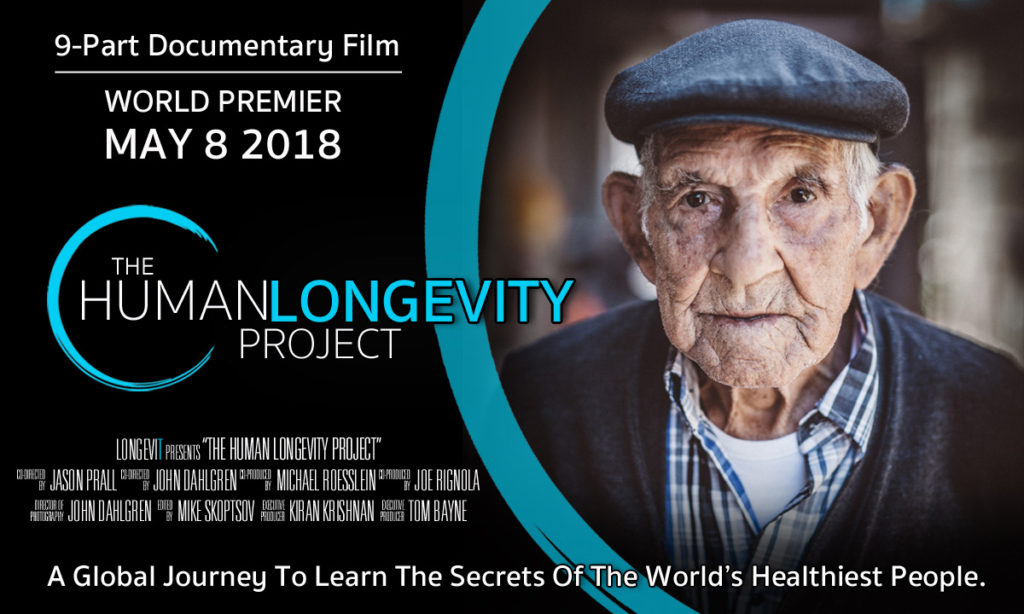
The Human Longevity Project

It’ll come as no surprise to you that meditation and mindfulness are good for you.

A new project by my friend and colleague, Jason Prall, actually looked into things like meditation, gratitude, and human connection in the planet’s healthiest people.

He also spoke to some of the world’s thought leaders and luminaries, and for the first time, uncovered some of the underlying mechanisms that afford these people such vibrant health and longevity.

In his new series, The Human Longevity Project, Jason gives us a blueprint for living a life filled with purpose, abundant health, and profound happiness.

This series is such a game changer and will forever change the paradigm for health in the Western World.

We can no longer ignore what so many of us know to be true…


Watch The Trailer Here. <=

That health and wellness have as much (or more) to do with things like mindset, energy, and gratitude as it does with diet, exercise and certainly, conventional medicine.

People in these “Longevity Regions” woke up every day with purpose.

They didn’t identify with disease.

They didn’t compare themselves with their neighbors or friends.

They were quick to forgive others… and quicker to forgive themselves.

These traits and more were stunningly apparent in each region Jason visited.

Now, you can experience this journey for yourself–for free!

Join me and register for The Human Longevity Project Here. <=

See you there.

P.S. This beautifully shot, and exciting film series is a game changer in health and wellness. Save Your Seat Here. <=

Chocolate for your loved one

Giving chocolate to your loved one for Valentines Day is an old tradition. But why do we associate chocolate with love and what are health benefits of eating it?

Benefits of chocolate.

1. It improves our life.  Anandamide is the chemical in chocolate that quickly activates dopamine receptors in the brain which temporarily blocks feelings of pain and depression and provides the sense of wellbeing or “high”.

2. Substitutes for love.  It delivers a potent neurotransmitter called phenylethylamine, which is more commonly known as the “love drug.” That is why people crave chocolate when love is missing in there lives.

3. Makes us happy.  Cacao also has tryptophan – a precursor to the mood-stabilizing neurotransmitter serotonin.

4. Reduces the risk of cardiovascular problems. It has anti-clotting, blood-thinning properties that work in a similar way to aspirin which can improve blood flow and circulation.

5. Prevents cognitive decline. Cocoa’s flavonoids seems to make people feel more awake and alert and perform better. ( No wonder why my mom always gave me dark chocolate  when I took my tests).

6. It  is also and inflammation fighter due to resverathrol  presence. Eating dark chocolate is the most natural ways to reduce the inflammatory processes underlying the chronic, degenerative diseases.

7. Keeps cholesterol healthy. Naturally occurring polyphenols in cocoa, the fundamental component in chocolate, actually boost levels of HDL, the “good” cholesterol, while at the same time reducing the atherogenicity of so-called “bad” variety – LDL – by preventing its oxidation.

8. Increases energy. Chocolate contains caffeine, a stimulant that can help heighten physical energy and alertness, but studies also show that it can inhibit inflammation in the brain that causes migraines.

9. May reduce cravings for sweet, salty and fatty foods.

10. Increase insulin sensitivity and reduce risk of diabetes.
All those beneficial properties related to dark chocolate over 70%. My personal favorite is 85%

Caution!!!

1. Non-organic bars might contain GMO- soy product, such as lecithin!
2. Watch for amount of sugar!
3. Do not overeat!

As mentioned in Cleveland Clinic study:

“It’s important to remember the word moderation. There’s a measured and tested amount of chocolate – 6.7 grams a day (or one small square of chocolate two or three times a week) – that provides the best health benefits. While it undoubtedly comes as a pleasant surprise that chocolate is actually good for you, eating the right amount is crucial if you want it to be a benefit and not a liability.”

Keep all this information in mind  when you buy good quality chocolate for your Valentine.

If you would like to surprise you loved one and make chocolate yourself check my recipe from the forthcoming cookbook.

—–> GET RECIPE HERE <—–

How to stay away from colds and flues this winter.


Winter is approaching us rapidly with cold temperature and busy Holiday time. Are you taking extra steps to stay away from colds and flues, prevent yourself from falling off the wagon of your healthy habits?  Yes, there are some people who believe that getting flu vaccine will give them protection in the winter and reduce number of sick days. But there are other folks, including myself, who prefer more holistic and natural preventive measures. Regardless, following few simple steps will help to you to improve the body ability to fight infection or to recover from any sickness faster.

  1. Keep your body warm. Make sure to cover your neck (thyroid gland area) and head (brain) when it is cold to keep warm energy flow in metabolic and temperature control areas.
  2. Eat and drink only warm or hot food and fluids. Any food or drink with lower that body temperature will activate stress respond and lower the immune system. Drinking warm or hot lemon water throughout the day will stimulate lymphatic system alongside the gastro-intestinal tract, which play a primary role in your defense mechanism.
  3. Allow your body to rest by utilizing stress management techniques, proper exercise and good quality of sleep.
  4. Utilize necessary supplements depending on your nutritional and lifestyle habits.
  5. Use food as medicine. Adding warm, sweet and spicy herbs and grounding, cooked root vegetables like squash, yam or pumpkin to your meal will make your body feel satisfied and balanced. Check this winter soup recipe here.

HOW TO DEAL WITH HOLIDAY STRESS IN A POSITIVE WAY ?

The holiday season can be a magical time for some people, while others have a tendency to stress out.

Stress is an inevitable part of everyone’s life.  Particularly during the holidays, you  spend extreme amount of money  in over-crowded shops, you tend to over-eat and drink a lot , you try to fit in last minute events in already over-booked calendar.  As a result, all this can put you over the edgeUnderstanding the following two facts about stress will help you deal with it in a positive way.

1. Stress is cumulative; it builds upon itself day after day.

2. Your ability to handle stress depends on how resilient you are at any particular time in your life. Resiliency factors are things that make life easier, like supportive people, good health, and positive thoughts. If resiliency factors are missing, than the same stressful event will knock you to your knees or worse yet, flat on your face.

How to fight the cumulative nature of stress and strengthen your resiliency factors:

1. Learn to relax. This DOES NOT include watching TV or taking a nap. Although in moderation, there are benefits to these activities.  What really works is training your body and mind to refocus and take a break from any situation. You can learn meditation, breathing exercises, visualization, journaling, progressive muscle relaxation, or yoga, and connect to your senses by using music, aromatherapy or a favorite soft blanket to help you relax. Everyday you can choose to make a conscious effort  to practice these relaxation tips for at least fifteen minutes.  Then you will breakdown the cumulative nature of stress and see the  considerable difference within one week.
2. Find out which situations, people, and things make you more stressed and come up with a plan of action. Be realistic with your personal expectations and don’t overwhelm yourself by concentrating on everything you need to do.  One step at a time.

3. Surround yourself with supportive people. Choose to limit your time around somebody who stress you out and try to emotionally distance yourself from situations that sabotage your good efforts for health.

4. Decide what you can control and what you can’t. If there are situations or people out of your control then continually remind yourself that it is wasted energy trying to make someone do what you want them to do, or trying to make something to be different then it is.

5. Choose to change the negative tapes playing in your head; replace “I can’t do this”, “I’m not smart”, or “I will fail” with “I can deal with challenges”,” I may have made mistakes in the past, but I am doing better”, or “I’m a hard worker”.

6. Most of your experience of stress has to do with your attitude and the way you perceive your life’s events or others. Here are some tips to help you maintain a stress-relieving attitude: positive affirmations, optimism, maintaining a sense of humor, using low of attraction, and letting go of anger.

7. Exercise, sleep and nourish your body in a healthy way. Physical activities release healthy chemicals ( endorphins) in your brain. Therefor, increasing your heart rate for at least 15 minutes a day, every day, is the single most effective thing your can do to fight stress. Get at least 7 hours of sleep every night. Eat right because your brain will not function properly if it is malnourished.

8. Everyday do something that you like to do and remind yourself who you are. Your life will be off balance unless you restore your sense of fun.  Harmonizing  your life will help you to be resilient to stress.

9. Don’t mask your stress with addiction forming drugs and alcohol.  Natural stress-relievers such as valerian root, chamomile and passion flowers work synergistically to help you regain control of your emotions. 

Start now in order to reduce and better manage your stress by using my effective tips, and enjoy the holidays in good health and happiness!
If you would like help and support for boosting your resiliency and for staying happy and healthy during holidays, schedule a free session with me
here

7 Superfoods to Fight Cancer

There are so much evedence that what we eat matter. The food that we consume every day can kill us or heal us. Dr. Young S. Kim and her team of researchers of The National Cancer Institute of America in July/August 2012 concluded that a poor diet (too much glucose, bad fats, dairy, too much salt, too many refined and junk foods) could cause a cancer to regrow from the Cancer Stem Cells left behind after conventional treatment. Dr. Kim also concluded that certain natural compounds in foods could stop this regrowth. High level of beneficial natural compounds like vitamins and minerals makes it SUPERFOOD. There are few superfoods that can reverse or prevent cancers.

Green leafy vegetables

Green vegetables long with avocado, beans, carrots, apricots, pumpkins, and egg yolk will give you folic acid if your gut bacteria are strong.
This will help your DNA to replicate properly and protect it during radiotherapy.
400 micrograms is a recommended amount. Folate, biotin, choline and inositol, niacin and vitamin B12 are all B vitamins that help in the cancer fight. Niacin has been shown to kill cancer cells. Green vegetables and sprouting seeds are a source of sulforaphanes which have strong epigenetic (gene expression) benefits and have been shown to aid survival from colorectal cancer. A diet rich in greens will help alkalize your body. A slightly alkaline body is important as it improves the performance of your immune system and research shows it stops new metastases.

Broccoli

Like other green cruciferous vegetables (cabbage, kale, Brussels sprouts), broccoli contains fibre which helps eliminate toxins.
Moreover, the fibre binds to damaging agents in the intestine, and is one of the favorite foods of good, helpful gut bacteria (as are carrots, apples, chicory and onions).
Broccoli also contains indoles, and especially indole-3-carbinol which modifies and diminishes aggressive estrogen action, can modify cellular estrogen receptor sites, and aids in fighting estrogen-driven cancers like some breast, prostate, brain and colorectal cancers.

Ginger


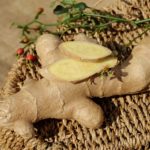
Fresh, raw ginger has a number of very important benefits in cancer. It is a terrific anti-inflammatory agent. It also lowers blood sugar levels, and gingerols have been shown to have effects against prostate, breast, leukemia and other cancer cells. Grate 5 gm or more of ginger each day into your juices. It is also full of helpful vitamins and minerals and is anti-parasitic.


Garlic

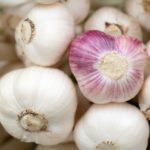
It is a truly wonderful food. Active ingredients like allicin seem to act to stop the spread of cancer in a number of ways, for example by stopping blood supply formation for tumors.
Garlic also kills microbes and yeasts and anti-inflammatory in the body. It contains selenium, tryptophan and sulphur-based active agents that attack cancer cells.
Two or three raw cloves of garlic per day will chase away cancer as well as vampires.


Beetroot

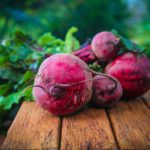
Beets as well as any purple colored fruits and vegetables like cherries, plums, red grapes contain anthocyanins (and sometimes also resveratrol). Anthocyanins have been shown to kill cancer cells; Resveratrrol has research supporting its role in fighting certain cancers like blood and brain cancers.


Fish oil

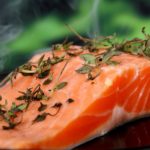
Fish oil will provide long chain omega-3, a powerful anti-inflammatory in the body. Omega-3 has been shown to re-lengthen telomeres, which shorten when you have cancer, putting the DNA structure at risk and reducing longevity. Fish oils also contain vitamin A, an important vitamin in the fight against cancer (herring, mackerel and salmon are top of the list). Fish oils have been linked to reduced levels of prostate, breast and colon cancer. Research shows they help prevent cachexia (weakness and wasting of the body) when having chemotherapy. You´ll also get a little vitamin D from them, another proven cancer-fighter. Omega-3 from fish is an important ingredient in your cancer diet. Please note that the omega-3 from flaxseed is short-chain, equally important but has different benefits (for example, it helps oxygenate the tissues and provides essential fiber).

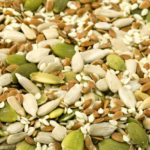
Seeds

Seeds are full of good oils, whole vitamins in a natural form (like vitamin E) and fiber to strengthen your gut flora. People who consume the highest levels of natural fiber have higher immune systems. For example:

Sunflower Seeds
: High in zinc and natural vitamin E. Zinc helps vitamin C do its work and accelerates healing time. It is important to a healthy prostate. You need 15 to 25 mg per day. Five tablespoons of sunflower seeds give you 10 mg. Sunflower seeds will also provide a little selenium.
Pumpkin Seeds: 
Can be mixed with the sunflower seeds and added into cereal,  oatmeal or snacks.   5 tablespoons will each provide 20 mg of vitamin E, the ultimate cancer buster, which inhibits cancer cell growth and protects immune cells from free radicals. Vitamin E boosts your immune system´s fighting abilities.
Sesame Seeds: The unique lignans in sesame seeds can reduce blood pressure and lipid levels. Research shows they can fight inflammation and also cancer! Gamma tocopherol vitamin E reduces inflammation around the body. Both sesame and flax lignans are converted to compounds that can arrest estrogenic cancers.

Try to incorporate all of these superfoods into your diet to heal your body and chase away not only cancer but also many other degenerative diseases.

To your health and happiness!