
The Healing Power of Nature

Forest Bathing

In today’s fast-paced, technology-driven world, the need to reconnect with nature has become more crucial than ever. Forest bathing (known as Shinrin-yoku in Japan) and tree hugging are nature-based practices that have gained global recognition for their ability to reduce stress, promote mindfulness, and restore overall well-being. These practices are rooted in the belief that the natural world holds powerful healing properties, offering a natural antidote to the overstimulation of modern life.

What is Forest Bathing (Shinrin-yoku)?

Shinrin-yoku, or forest bathing, emerged in Japan in the 1980s as a response to the increasingly stressful and urbanized lifestyle. Unlike conventional bathing, forest bathing invites individuals to immerse themselves fully in the atmosphere of the forest. The practice involves using all five senses to experience the sights, sounds, smells, and sensations of the forest.

More than just a walk in the woods, forest bathing encourages mindfulness. Rooted in ancient Shinto and Buddhisttraditions that view nature as sacred, the practice fosters a deep, reflective connection with the environment, allowing individuals to slow down and appreciate the healing power of nature.

Health Benefits of Forest Bathing

Research has revealed that forest bathing offers a range of physical, emotional, and psychological benefits:

Stress Reduction: Studies show that time spent in forests lowers levels of cortisol, the body’s primary stress hormone. Forest bathing helps combat anxiety and mental fatigue by promoting relaxation and mindfulness.

Boosted Immunity: Trees release organic compounds called phytoncides, which have antibacterial and antifungal properties. Inhaling these compounds during forest bathing can enhance the activity of natural killer cells in humans, bolstering the immune system.

Improved Mood and Clarity: Forest bathing has been linked to increased happiness, mental clarity, and a reduction in depressive symptoms. Spending time in nature helps quiet the mind and reset mental focus.

Lower Blood Pressure and Heart Rate: Studies have shown that walking through forests can reduce blood pressure and heart rate, relieving symptoms of cardiovascular stress and promoting a state of calm.

The Benefits of Tree Hugging

Tree hugging often complements forest bathing, providing a tactile, physical connection to nature. In cultures like Japan, where trees are considered sacred in Shinto beliefs, hugging a tree can be seen as a way of communing with the spiritual life force of the land.

Health and Emotional Benefits of Tree Hugging

Grounding and Stability: Trees, with their deep roots and enduring presence, symbolize stability. Hugging a tree can help individuals feel grounded, offering emotional support and a sense of calm.

A Sense of Comfort: The act of hugging a tree provides a soothing, tactile experience. Many people report feeling comforted and secure when holding onto a tree, much like hugging another person. It can help alleviate feelings of loneliness or emotional distress.

Healing Properties: Like forest bathing, tree hugging exposes people to phytoncides and other healing compounds. This physical closeness to trees may also stimulate the release of serotonin, enhancing mood and emotional well-being.

Combining Forest Bathing and Tree Hugging

Many who practice forest bathing naturally incorporate tree hugging into their routine. Walking mindfully through a forest helps heighten awareness of the trees and their energy, while hugging a tree provides a deeper sense of personal connection. Together, these practices foster a sense of mindfulness and peace, helping individuals reconnect with both nature and themselves.

Relevance in Modern Life

As urbanization and technology continue to dominate modern living, practices like Shinrin-yoku and tree hugging have become essential tools for managing stress and cultivating emotional well-being. Whether it’s a daily nature walk or a weekend spent in the forest, these practices offer a way to escape the overstimulation of city life and reconnect with the simple, healing rhythms of the natural world.

Ultimately, both forest bathing and tree hugging remind us that nature holds immense power to heal, comfort, and restore. These practices invite us to slow down, be present, and rediscover our connection to the earth, which is vital for finding peace and balance in the modern world.

My Personal Experience with Nature Walks and Tree Hugging

As part of my self-care and mindfulness practice, I make a conscious effort to connect with nature through daily walks. I am fortunate to live in a neighborhood surrounded by parks, forests, and nature trails that provide the perfect setting for mindful walks. After a long day spent in EMF-polluted and artificially lit buildings, these walks help me decompress and ground myself.

During my walks, I observe the wildlife—the “four-legged neighbors”—that live in the area, taking joy in their presence. One of my favorite rituals is hugging a special tree that I’ve grown attached to over time. I make it a point to find beauty in the world around me, whether it’s the changing colors of the seasons, the warmth of the sun, or the stillness of the forest. There’s a specific spot where I sit to connect with the energy of the land, a place that always reminds me of my home. I also practice sun gazing that help me to reset my circadian rhythm and reduce stress. I am always mesmerized by the colors and light of each passing season.

These experiences with nature offer a powerful way to reconnect with myself, helping me find balance and serenity in the chaos of everyday life.


The Invisible Threat: The Impact of Electromagnetic Fields (EMFs) on Mental and Physical Health

In our rapidly advancing digital world, electromagnetic fields (EMFs) are ubiquitous, emanating from our smartphones, Wi-Fi routers, power lines, and countless other devices. While these technologies bring undeniable convenience and connectivity, they also raise significant concerns about their impact on our health. The pervasive nature of EMFs has sparked a growing body of research exploring their potential negative effects on both mental and physical well-being.

EMFs are invisible areas of energy, often referred to as radiation, associated with the use of electrical power and various forms of natural and man-made lighting. They are categorized into two main types:

  1. Ionizing Radiation: High-energy radiation capable of removing tightly bound electrons from atoms, which can lead to cellular damage (e.g., X-rays, gamma rays).
  2. Non-Ionizing Radiation: Lower-energy radiation that doesn’t have enough energy to ionize atoms but can still cause biological effects (e.g., radiofrequency (RF) radiation from cell phones, Wi-Fi, and microwave ovens).

Potential Health Impacts of EMFs

Mental Health Concerns

  1. Cognitive Function and Memory

    • Research: Several studies suggest a link between prolonged exposure to RF radiation from mobile phones and a decline in cognitive functions, such as memory and attention. A study published in the Journal of the American Medical Association found that using a mobile phone for 50 minutes increased brain glucose metabolism in the region closest to the antenna .
    • Mechanism: EMF exposure is hypothesized to alter neural activity and neurotransmitter functions, potentially leading to cognitive impairments.
  2. Sleep Disturbances

    • Research: Exposure to EMFs, especially from devices emitting blue light, has been shown to disrupt sleep patterns by affecting the production of melatonin, the hormone that regulates sleep-wake cycles .
    • Impact: Poor sleep quality can exacerbate stress, anxiety, and depression, creating a vicious cycle of mental health challenges.
  3. Psychological Stress

    • Research: Continuous exposure to EMFs can increase oxidative stress in the brain, which is associated with neuroinflammation and a higher risk of developing psychiatric disorders such as anxiety and depression .

Physical Health Concerns

    1. Cancer Risk

      • Research: The World Health Organization’s International Agency for Research on Cancer (IARC) has classified RF radiation as “possibly carcinogenic to humans” based on an increased risk of glioma, a malignant type of brain cancer, associated with wireless phone use .
      • Debate: While some studies have found no significant increase in cancer risk, others suggest that long-term and high-intensity exposure could be a contributing factor.
    2. Reproductive Health

      • Research: EMF exposure has been linked to reduced sperm motility and viability, as well as adverse effects on female fertility, potentially affecting reproductive health and outcomes .
      • Mechanism: The stress response triggered by EMFs can lead to hormonal imbalances and oxidative damage to reproductive cells.
    3. Electrohypersensitivity (EHS)

      • Symptoms: EHS is characterized by various non-specific symptoms such as headaches, fatigue, dizziness, and skin irritations, which individuals attribute to EMF exposure.
      • Controversy: Although the existence of EHS as a medical condition is debated, the reported symptoms significantly impact the quality of life for those who believe they are affected.

Given the growing concerns about the potential health impacts of electromagnetic fields (EMFs), many people seek effective ways to protect themselves from excessive exposure. While completely avoiding EMFs is nearly impossible in our modern world, there are several strategies and products that can significantly reduce exposure and minimize potential health risks.

Best Practices and Strategies for EMF Protection

  1. Minimize Device Use

    • Reduce Time: Limit the amount of time spent on devices that emit EMFs, such as smartphones, tablets, and laptops.
    • Distance Matters: Keep devices away from your body, especially your head. Use speakerphone or wired earphones for calls and keep laptops off your lap by using a desk or table.
    • Tech-Free Zones: Establish areas in your home, like bedrooms or playrooms, where electronic devices are limited or prohibited to reduce constant exposure.
  2. Optimize Device Settings

    • Airplane Mode: Use airplane mode on your smartphone and other devices when not in use, particularly while sleeping or during travel.
    • Disable Wireless Functions: Turn off Wi-Fi, Bluetooth, and mobile data when they are not needed, especially overnight or in areas where wired connections are available.
  3. Enhance Your Living and Work Environment

    • Positioning and Placement: Place Wi-Fi routers and other EMF-emitting devices as far as possible from where you spend most of your time. Avoid placing devices near beds or workstations.
    • Wired Connections: Whenever possible, use wired internet connections instead of Wi-Fi. Ethernet cables reduce exposure to RF radiation significantly.
  4. Use EMF Shielding and Blocking Products

    • Shielding Cases and Covers: Use EMF shielding cases or covers for your smartphones, tablets, and laptops. These products are designed to block or reduce EMF radiation.
    • Protective Clothing: EMF shielding clothing, such as hats, hoodies, and blankets made from materials like silver or copper, can help protect sensitive areas of the body.
    • Home Shielding Solutions: Consider using EMF-blocking paints, window films, and bed canopies to shield larger areas like rooms or entire homes from external EMF sources (only). It doesn’t prevent you from internal (in the house) EMF and possibly can make it worth.
  5. Improve Sleep Hygiene

    • Bedroom Free of Electronics: Keep electronic devices out of the bedroom or ensure they are turned off or in airplane mode during sleep to minimize EMF exposure.
    • No Blue Light Before Bed: Reduce exposure to blue light from screens in the evening to help maintain natural sleep patterns. Blue light blockers or apps that adjust screen color temperature can be helpful.
  6. Maintain a Safe Distance from Major EMF Sources

    • Appliances and Smart Meters: Stay away from high EMF-emitting appliances like microwave ovens, and avoid prolonged close proximity to smart meters and power lines.
    • Public Spaces: Be mindful of EMF sources in public spaces, such as Wi-Fi hotspots and cell towers. Whenever possible, choose seating that is farther from these sources.
  7. Adopt Healthy Lifestyle Practices

    • Antioxidant-Rich Diet: A diet high in antioxidants can help counteract the oxidative stress believed to be caused by EMF exposure. Foods rich in vitamins C and E, and polyphenols found in berries, nuts, and green leafy vegetables, are beneficial.
    • Regular Exercise: Physical activity promotes overall health and can help mitigate the effects of EMF exposure by improving cellular repair mechanisms and reducing oxidative stress.
    • Stress Management: Practices like meditation, deep breathing, and mindfulness can help reduce stress, which may be exacerbated by EMF exposure.

Effective EMF Shielding Products

  1. Faraday Cages and Bags

    • Faraday Bags: These are designed to block all radio frequency signals, making them ideal for carrying smartphones and other electronic devices securely.
    • Faraday Canopies: Used over beds to create a shielded area from external EMF sources, promoting a safer sleep environment.
  2. EMF Shielding Paint

    • Special paints that contain conductive materials like carbon or metal particles can be applied to walls and ceilings to block EMF radiation from outside sources only.
  3. EMF Blocking Fabrics

    • Shielding Blankets: Made from fabrics woven with metal threads, these blankets can be used to cover the body or specific areas to block EMF exposure.
    • Shielding Curtains: These curtains can be hung in rooms to block EMFs coming from windows or walls.
  4. EMF Meters

    • Detection Tools: EMF meters can help measure the levels of electromagnetic radiation in your environment, allowing you to identify and mitigate high-exposure areas effectively.

Conclusion

Protecting yourself from EMF exposure involves a combination of reducing direct contact, enhancing your environment, and using specific products designed to shield against EMFs. By adopting these practices, you can create a healthier living and working space and minimize the potential risks associated with EMFs. Staying informed and proactive in managing your exposure is key to safeguarding your mental and physical well-being in our increasingly connected world.

Nurturing the Nurturer: A Guide to Self-Care for Moms

Motherhood is a beautiful journey filled with love, joy, and cherished moments. However, amidst the busyness of caring for others, moms often neglect themselves. It’s essential for mothers to prioritize self-care, not only for their own well-being but also for the health of their families. In this article, we’ll explore the importance of self-care for moms and provide practical tips to incorporate it into daily life.

Why Self-Care Matters for Moms

Self-care isn’t selfish; it’s a vital component of maintaining physical, emotional, and mental health. Moms play multiple roles, from caregivers and nurturers to household managers and professionals. With so many responsibilities, it’s easy to feel overwhelmed and exhausted. Neglecting self-care can lead to burnout, increased stress, and decreased overall satisfaction with life.

When moms prioritize self-care, they’re better equipped to handle the demands of motherhood. They become more patient, present, and resilient. Additionally, practicing self-care sets a positive example for children, teaching them the importance of taking care of oneself.

Practical Self-Care Tips for Moms

  • Prioritize Sleep: Adequate rest is essential for overall well-being. Moms should aim for 7-9 hours of quality sleep each night. Establishing a bedtime routine can help signal to the body that it’s time to wind down. This may include activities like reading, gentle stretching, or relaxation exercises. Drink tea like camomile, lavender or valerian root before bed to promote relaxation.
  • Nourish Your Body: Eating a balanced diet provides the energy and nutrients needed to tackle daily tasks. Aim for meals that are rich in fruits, vegetables, lean proteins, and whole grains. Don’t forget to stay hydrated by drinking plenty of water throughout the day. Supplement with magnesium, ashwagandha, and B vitamins to support high stress levels.
  • Make Time for Exercise: Physical activity is not only beneficial for physical health but also for mental well-being. Find activities you enjoy, whether it’s going for a walk, practicing yoga, or dancing around the house with your kids. Aim for at least 30 minutes of exercise most days of the week.
  • Set Boundaries: Learn to say no to activities or commitments that drain your energy or overwhelm you. It’s okay to prioritize your own needs and politely decline additional responsibilities when necessary.
  • Connect with Others: Social support is crucial for mental health. Make time to connect with friends, family members, or other moms who understand what you’re going through. Whether it’s a phone call, coffee date, or online support group, sharing experiences can provide comfort and perspective.
  • Practice Mindfulness: Mindfulness techniques, such as deep breathing, meditation, or journaling, can help moms manage stress and cultivate a sense of calm. Incorporate these practices into your daily routine, even if it’s just for a few minutes each day.
  • Establish a skincare regimen: Having a daily organic skincare routine helps you to stay calm, boosts confidence, and promotes relaxation. Use certain essential oils like ylang ylang, lavender, and bergamot that have calming properties.
  • Indulge in Self-Care Rituals: Treat yourself to activities that bring you joy and relaxation. This could be anything from taking a bubble bath, getting a massage, or curling up with a good book. Make self-care a priority, even if it means scheduling it into your calendar.
  • Ask for Help: Remember, it’s okay to ask for help when you need it. Whether it’s delegating household chores to your partner, enlisting the help of a babysitter, or seeking support from a therapist, recognizing when you need assistance is a sign of strength, not weakness.

As moms, it’s easy to prioritize the needs of others above our own. However, neglecting self-care can have detrimental effects on both physical and mental health. By prioritizing self-care, moms can better navigate the challenges of motherhood with grace and resilience. Remember, taking care of yourself isn’t just beneficial for you; it’s a gift to your family as well. So, carve out time each day to nurture yourself, because you deserve it.

Unveiling Heavy Metal Toxicity

Heavy metal toxicity is a pressing concern in today’s world, often lurking in unexpected places, from industrial waste to everyday consumer products. These toxic elements, including lead, mercury, cadmium, arsenic, and others, pose severe health risks when they accumulate in the body beyond safe levels. Understanding their symptoms is crucial for early detection and prevention of long-term health consequences.

Symptoms of Heavy Metal Toxicity:
  • Neurological Effects: Heavy metals can adversely affect the nervous system, leading to symptoms such as headaches, dizziness, numbness or tingling in extremities, and impaired cognitive function. Mercury, for instance, is notorious for its neurotoxic effects, causing tremors, memory loss, and difficulty concentrating.
  • Gastrointestinal Distress: Exposure to heavy metals can irritate the gastrointestinal tract, resulting in symptoms like nausea, vomiting, abdominal pain, and diarrhea. Cadmium, found in cigarette smoke and industrial emissions, is particularly implicated in gastrointestinal issues.
  • Renal Dysfunction: Some heavy metals, such as lead and cadmium, can accumulate in the kidneys, impairing their function over time. Symptoms may include changes in urinary habits, such as increased frequency or decreased volume, as well as proteinuria (presence of protein in urine) and kidney stones.
  • Respiratory Problems: Inhalation of heavy metal particles or fumes can lead to respiratory symptoms such as coughing, wheezing, shortness of breath, and chest tightness. This is often seen in occupations involving exposure to metal dust or fumes, like welding or mining.
  • Cardiovascular Complications: Chronic exposure to certain heavy metals, including lead and arsenic, has been linked to cardiovascular problems such as high blood pressure, heart disease, and abnormal heart rhythm (arrhythmia).
  • Dermatological Manifestations: Heavy metal toxicity can manifest in the skin, leading to symptoms like rashes, itching, and discoloration. Arsenic poisoning, for instance, can cause characteristic skin lesions, known as arsenical keratoses.
  • Musculoskeletal Issues: Some heavy metals, like lead, can accumulate in bones, interfering with bone health and causing joint pain, muscle weakness, and osteoporosis.
  • Endocrine Disruption: Heavy metals may disrupt the normal functioning of hormones in the body, leading to hormonal imbalances and related symptoms such as fatigue, weight changes, and menstrual irregularities.
Preventing heavy metal toxicity and effectively addressing it involve a comprehensive approach, including true cellular detoxification strategies. 
 
Here’s how you can safeguard yourself:
  • Minimize Exposure: Take proactive steps to minimize exposure to heavy metals by avoiding contaminated food, water sources and environmental pollution. The most common sources of three major heavy metals: mercury, lead and aluminum.   
  • True Cellular Detoxification: The cellular detoxification focuses on removing heavy metals and other toxins from deep within the cells, where they can accumulate over time. This approach targets the root cause of toxicity and aims to restore cellular function and health. It typically involves a combination of dietary changes, supplementation, lifestyle modifications, and specific detox protocols tailored to individual needs.
  • Chelation Therapy: In severe and acute cases of heavy metal toxicity, chelation therapy may be necessary. This medical procedure involves the administration of chelating agents that bind to heavy metals in the body, facilitating their removal through urine or feces. Chelation therapy should be performed under the supervision of a qualified healthcare provider.
  • Supportive Care: Alongside detoxification efforts, supportive care may be needed to manage symptoms and complications associated with heavy metal toxicity. This may include addressing nutritional deficiencies, managing pain and discomfort, and supporting organ function as needed. Always have qualify healthcare practitioner specializing in heavy metal detoxification to guide you.
By adopting these preventive measures and incorporating true cellular detoxification strategies into your health routine, you can minimize the risk of heavy metal toxicity and promote overall well-being. Join our 90-Day Detox Online Group Program for guidance and support on your detoxification journey.

Why Diets Don’t Work: Unraveling the Myth of Quick Fixes

In a world obsessed with quick fixes and instant results, the allure of fad diets is ever-present. From intermittent fasting to low-carb and keto, the promises of rapid weight loss and a sculpted physique can be enticing. However, despite the plethora of diet plans flooding the market, the sad truth is that diets, in the traditional sense, don’t work. Let’s delve into why, and explore healthier alternatives for sustainable weight management.

1. Temporary Solutions, Temporary Results:

One of the fundamental flaws of diets is their short-term nature. Many diets focus on drastic calorie reduction or eliminating entire food groups, leading to initial weight loss. Unfortunately, this weight loss is often water weight and muscle mass, not sustainable fat loss. Once the diet ends, old habits tend to resurface, and the lost weight often returns.

2. Deprivation Breeds Bingeing:

Diets often center around restriction, forbidding certain foods or severely limiting calorie intake. This deprivation, however, sets the stage for cravings and binge-eating episodes. The more we tell ourselves we can’t have something, the more we desire it. This unhealthy relationship with food can contribute to a cycle of guilt, shame, and renewed diet attempts.

3. Ignoring Individuality:

Every person is unique, with different bodies, metabolisms, and nutritional needs. A one-size-fits-all approach, which many diets advocate, fails to consider this individuality. What works for one person may not work for another. Tailoring a sustainable and healthy lifestyle requires understanding and respecting our body’s unique requirements.

 
4. Overemphasis on Numbers:

Traditional diets often fixate on the scale as the primary measure of success. While weight is a factor, it doesn’t tell the full story of one’s health. Factors like muscle mass, body composition, and overall well-being are equally important. Focusing solely on the number on the scale can lead to discouragement and an unhealthy obsession with weight.

5. Mental and Emotional Toll:

Diets can take a toll not only on the body but also on the mind and emotions. Constantly thinking about food, counting calories, and battling cravings can lead to stress and anxiety. This mental strain can sabotage the best-intentioned diet plans and contribute to a cycle of yo-yo dieting.

A Holistic Approach to Health:
Instead of falling into the dieting trap, consider adopting a holistic approach to health and wellness. This involves making sustainable lifestyle changes, including nourishing the body with whole, nutrient-dense foods, staying active, managing stress, and prioritizing adequate sleep.

Conclusion:
The myth of quick fixes through diets needs to be debunked. Achieving and maintaining a healthy weight is a long-term commitment that goes beyond the constraints of a diet plan. Embrace a holistic approach that values your body’s uniqueness, focuses on overall well-being, fosters a positive relationship with food, and teaches to listen to your body’s messages. Remember, it’s not about a quick fix but a transformational journey towards a healthier, happier you.

Start your journey with our online group program “Weight Less Live More”!

The Vital Importance of Managing Weight for Overall Well-being

In a world where lifestyle choices and food options abound, the importance of managing weight cannot be overstated. Beyond the aesthetic appeal of a trim figure, maintaining a healthy weight plays a crucial role in promoting overall well-being and preventing a myriad of health issues. Let’s explore why managing weight is not just about appearances but is a fundamental aspect of a holistic and thriving life.

1. Heart Health and Cardiovascular Benefits:

Maintaining a healthy weight is a key factor in promoting cardiovascular health. Excess weight, especially around the midsection, can contribute to high blood pressure, elevated cholesterol levels, and an increased risk of heart disease. By managing weight through a balanced diet and regular exercise, individuals can significantly reduce the strain on their hearts and improve overall cardiovascular function.

2. Prevention of Chronic Conditions:

Obesity is often linked to the development of chronic conditions such as type 2 diabetes, certain cancers, and metabolic disorders. By managing weight, individuals can mitigate the risk of these conditions and, in some cases, prevent their onset altogether. A healthy weight contributes to improved insulin sensitivity and better regulation of blood sugar levels.

3. Enhanced Mental Well-being:

Weight management goes beyond physical health; it also has a profound impact on mental well-being. Studies have shown a strong connection between obesity and mental health issues such as depression and anxiety. By adopting a healthy lifestyle, including a balanced diet and regular exercise, individuals can experience improved mood, reduced stress levels, and enhanced cognitive function.

4. Improved Joint Health:

Excess weight places added stress on the joints, particularly in weight-bearing areas such as the knees and hips. Over time, this can contribute to joint pain, arthritis, and reduced mobility. Managing weight helps alleviate this stress, promoting better joint health and reducing the risk of debilitating conditions.

5. Quality of Sleep:

Weight management plays a significant role in promoting restful and rejuvenating sleep. Conditions such as sleep apnea, often associated with excess weight, can be mitigated by achieving and maintaining a healthy weight. Quality sleep is essential for overall well-being, impacting energy levels, cognitive function, and emotional resilience.

6. Positive Impact on Respiratory Function:

Carrying excess weight can impede respiratory function, making breathing more challenging. Weight management contributes to improved lung capacity and overall respiratory health. This is especially important for individuals engaged in physical activities, as efficient breathing is crucial for optimal performance.

Conclusion:
Managing weight is not merely a pursuit of societal ideals; it is a fundamental investment in one’s health and longevity. Beyond the physical benefits, maintaining a healthy weight positively influences mental well-being, enhances the body’s resilience against chronic conditions, and promotes an overall sense of vitality. Embracing a balanced lifestyle that includes nutritious eating habits and regular exercise is not just a choice; it’s a commitment to a healthier, happier life. Join our online group program ” Weight Less Live More” if you need help dropping few pound

Managing Holiday Stress: Strategies for a Relaxing Season

The holiday season is often portrayed as a time of joy, celebration, and togetherness. However, for many, it can also bring about stress and anxiety. The pressure to create perfect celebrations, coupled with increased social obligations and financial strain, can contribute to elevated stress levels. In this article, we will explore effective strategies to help you deal with stress during the holidays and ensure a more enjoyable and relaxing season.

Set Realistic Expectations:

One of the primary sources of holiday stress is the pressure to meet unrealistic expectations. Whether it’s hosting the perfect gathering or finding the ideal gifts, it’s essential to set realistic expectations. Understand that perfection is not attainable, and it’s okay if things don’t go exactly as planned.

Prioritize Self-Care:

Amidst the holiday hustle and bustle, it’s crucial to prioritize self-care. Make time for activities that bring you joy and relaxation, such as reading a book, taking a warm bath, or practicing mindfulness. Prioritizing self-care helps recharge your energy and resilience.

Create a Realistic Budget:

Financial strain is a common stressor during the holidays. To manage this, create a realistic budget for gift-giving, decorations, and other expenses. Consider alternative gift options like homemade presents or organizing gift exchanges to alleviate financial pressure.

Plan and Organize:

Proactively planning and organizing can significantly reduce stress. Create a holiday schedule that includes time for shopping, decorating, and celebrating. Break down tasks into manageable steps, and don’t hesitate to delegate responsibilities to share the load.

Learn to Say No:

It’s easy to feel obligated to attend every event and fulfill every request during the holiday season. However, it’s crucial to recognize your limits and learn to say no when necessary. Prioritize events and activities that align with your values and bring you genuine joy.

Stay Active:

Physical activity is a powerful stress reliever. Incorporate regular exercise into your holiday routine, whether it’s going for a walk, hitting the gym, or practicing yoga. Exercise not only helps reduce stress but also boosts your mood and energy levels.

Connect with Others:

While socializing can be a source of stress, meaningful connections with loved ones can provide emotional support. Reach out to friends and family for shared activities or simply to share your feelings. Open communication can help alleviate feelings of isolation and stress.

Practice Gratitude:

Amidst the holiday chaos, take time to reflect on the positive aspects of your life. Practice gratitude by keeping a journal or expressing thanks to those around you. Focusing on the positive can shift your perspective and reduce stress. Join 30-day of Gratitude if you would like to create a daily habit of appreciation.

Embrace Imperfection:

Accept that not everything will go according to plan, and that’s okay. Embrace imperfection as part of the holiday experience. Laugh off minor mishaps, and remember that the most important thing is spending time with loved ones.

By incorporating these strategies into your holiday routine, you can reduce stress and create a more enjoyable and meaningful season. Remember that the holidays are a time to celebrate, connect, and find joy – not a time to be overwhelmed by stress. Prioritize your well-being and make choices that align with your values, ensuring a happier and healthier holiday season for you and your loved ones.

Alignment with Earth’s Field

Earth energy fields, often associated with “Earthing,” also known as “grounding,” which is a practice that involves connecting the human body to the Earth’s surface, typically by physically touching it with bare skin, such as through direct contact with soil, sand, grass, or water. The concept behind earthing is based on the idea that the Earth carries a natural negative electrical charge from electrons, and grounding oneself to the Earth’s electrical energy can have potential health benefits.

Here are some of the benefits associated with earth energy fields for human health:
  • Reduced Inflammation: One of the central claims of earthing is that direct contact with the Earth’s surface can help reduce inflammation in the body. Chronic inflammation is linked to a wide range of health issues, including arthritis, heart disease, and various autoimmune disorders. Supporters argue that grounding can help neutralize free radicals and reduce oxidative stress, thereby decreasing inflammation.
  • Improved Sleep: Some people report better sleep quality after spending time grounded. It is believed that contact with the Earth’s energy can help regulate circadian rhythms and promote healthier sleep patterns. This, in turn, can lead to increased energy levels, improved mood, and better overall health.
  • Stress Reduction: Advocates of earthing claim that connecting with the Earth can have a calming effect on the nervous system, reducing stress and anxiety. This may be due to the balancing of the autonomic nervous system, which can help improve mood and overall well-being.
  • Pain Relief: Some individuals suggest that grounding may provide relief from chronic pain conditions, such as fibromyalgia and back pain. It is believed that the practice may help restore the body’s natural electrical balance and reduce pain signals.
  • Enhanced Immune Function: Although more research is needed, some studies suggest that earthing may have a positive impact on the immune system. This could be attributed to reduced inflammation, improved sleep, and stress reduction, which collectively support a healthier immune response.
  • Antioxidant Effects: Earthing is thought to increase the body’s supply of electrons, which can act as antioxidants. These electrons are believed to help counteract the damaging effects of free radicals and improve overall health.
  • Improved Circulation: Some proponents of earthing argue that it can improve blood circulation, which in turn can support cardiovascular health and reduce the risk of cardiovascular diseases.
  • Mental Clarity and Energy: Many people who practice earthing report feeling more mentally alert, focused, and energetic. This improved mental state is sometimes attributed to a reduction in the body’s exposure to electromagnetic fields and a closer connection with nature.
  • Electromagnetic Field (EMF) Reduction: Earthing proponents also argue that the practice can help reduce exposure to electromagnetic fields (EMFs) from electronic devices by balancing the body’s electrical charge.
How well are you aligned with the big, all-encompassing fields of the Earth?

There are three primary axes within the Earth’s Big Field. These are the vertical, equatorial and magnetic polar axes. These axes cross through the midline of your body, slightly to the left, where your heart is located. We know that the heart has a powerful electromagnetic field and that it plays a hugely important role in communicating information to and from the brain and to the cells. We also know that our cells are tuned to their environment, with the cell membrane serving as a kind of receiver and transmitter for environmental signals. Research shows that cells are not only tuned to their immediate environment, but to the energies of the three axes of the Earth Field as well. When the body is misaligned with one or more of these axes, information flow can simply go askew.

What may that mean for you? 

  • You may be feeling knocked off balance or not securely “in” your body. 
  • Perhaps you are not sure of your place in the world.
  • This can happen when we feel uprooted by a move to a different country, or even a new home.
  • We can also feel on unsteady ground in our work or in our relationships. 

The effect of not being energetically grounded or balanced can take myriad forms, but generally causes flightiness, disorganization, scattered thoughts, lack of focus, impatience, and erratic emotions.
The Equatorial Axis is formed by the Earth’s rotation. It runs horizontally through the middle of your body. In bioenergetics it appears to be related to a fundamental aspect of biochemistry, which is the exchange of electric charge between molecules. 

  • One aspect of this is the exchange of electrons between free radicals and antioxidants. Free radicals are damaging molecules that lack an electron (a negatively charged particle). They will “steal” an electron from another molecule in order to become complete. This triggers a chain reaction where the now incomplete molecule steals an electron from its neighbor. This process damages our cells and is part of the aging process. Antioxidants freely give up one of their electrons and so they help to protect our cells.
  • Another place this swapping of electronic charge occurs is in the liver, where the liver transforms toxins into forms that can be safely excreted from the body. The organs that sit in the middle of the body, including the liver and the large intestine, may be affected by an Equatorial Axis misalignment. Metabolic processes such as energy production and sugar regulation may be affected by an imbalance here.

The Vertical Axis is generated by gravity. It runs from head to toe through your body. There appears to be a strong correlation with this axis and the autonomic nervous system’s control of functions like blood pressure, heart rate variability, and sleep. 

  • Any form of sustained stress can push the Vertical Axis out of balance. We can struggle to adapt to stress when our mechanisms for coping with it are being pushed to their limit. Symptoms like feeling light-headed or dizzy on standing, having to shade the eyes from bright light, heart palpitations, and insomnia can all be related to nervous system symptoms related to long-term stress.
  • Misalignment of the Vertical Axis can also be associated with geopathic stress. Geopathic stress relates specifically to the health effects of vibrations and fields that emanate from Earth’s interior and flow across its surface. The energies detrimental to health arise especially from caves and subterranean caverns or from certain types of underground streams and aquifers, fault lines, and particular kinds of mineral and coal deposits.

The Magnetic Polar Axis is generated by the magnetic poles of the Earth. The Earth is cocooned in magnetic fields, which emerge both from the interior molten core of the Earth and from electromagnetic waves coming in from the universe around us.

  • There are many biological processes that are magnetic in nature. Your brain has magnetic aspects to it, as does your blood. Research has shown that most living organisms, from coral polyps to human beings, are affected by the pull of magnetism from the moon and by Earth’s own magnetic field. Our internal body clock is set not only by light, but also by magnetic fields.
  • This axis is also associated with how your body creates and distributes heat. When out of alignment you may be experiencing heat regulation issues such as having cold hands or feet, or variations in temperature within your body (sometimes people have a hot or cold patch, or experience a temperature variance between the left and right side of their body). You may also find it harder to adjust to changes or extremes in temperature and have difficulty with sweating (too much or too little).
    Issues: Big field alignment issues were less of a problem in days gone by, when people spent their time within a localized region, travelled slowly, and were in direct contact with the Earth and its natural fields. Today’s high-speed, high-rise, high-energy society is bathed in artificial sound, light and magnetic influences, coupled with a chemically toxic environment. People travel vast distances at intense speeds, encountering a rapid variation in magnetic and gravitational influences. Our fast-paced lives give the body little time to rest and realign itself and regain its natural harmony with the Earth. The net effect is that people are frequently misaligned with the Earth’s big fields. It is much easier for the body to engender positive change when alignment is restored.
    Would you like to know if you are aligned with Earth’s Big Field?
    Do you get the most benefits from earthing and being in nature?
    Find out from your personal Human Body Field scan HERE.
    If you find out that you are misaligned or don’t resonate with Earth Big Field you can
—>>TAKE ACTION:
Questions you ask yourself: 
  • In what way am I not balanced or in alignment? 
  • Am I sure of my place in the world? 
  • What’s knocked me off center?
Connect to the earth:
  • Grounding.
  • Feng Shui your life.
  • Check out EMF fields in your house.
  • Keep hydrated.
  • Turn off the TV, move away from the phone.
  • Put Polarity and BFA in your travel kit, particularly if you are flying.
  • Yoga Tree Pose; Yoga Savasana Pose; Qigong standing barefooted on the earth and raising and lowering your heels, this pumps the energy up through the Kidney “Gushing Spring” point, bringing energy and vitality to the body (avoid standing on damp or cold ground).

Raising Awareness for Breast Cancer

Every October, the world turns pink as Breast Cancer Awareness Month takes center stage. This annual event serves as a powerful reminder of the importance of early detection, prevention, and support for those affected by breast cancer. Breast cancer remains one of the most prevalent cancers globally, affecting millions of people each year. However, with increased awareness, education, and support, we can make significant strides in the fight against this disease.

Understanding Breast Cancer

Breast cancer is a disease that originates in the cells of the breast. It can occur in both men and women, although it is much more common in women. The breast consists of glandular tissue, which produces milk, and connective tissue that includes fatty tissue and fibrous tissue. Breast cancer can develop in any of these components and is categorized into different types based on its origin and characteristics. Understanding why cells become abnormal and multiply uncontrollably is very important in finding the right treatment.

Early Detection Saves Lives

One of the most critical messages of Breast Cancer Awareness Month is the importance of early detection. When breast cancer is diagnosed at an early stage, the chances of successful treatment and survival increase significantly. According to CDC and American Cancer Society, regular breast self-exams, clinical breast exams, and mammograms are essential tools for early detection.

  • Breast Self-Exams: Encourage individuals to perform monthly breast self-exams to become familiar with their breasts’ normal appearance and feel. Any changes should be reported to a healthcare professional.
  • Clinical Breast Exams: Regular check-ups with a healthcare provider, where they examine the breasts for abnormalities, are crucial in detecting any potential issues.
  • Mammograms: These X-ray images of the breast can detect breast cancer even before symptoms are noticeable. Mammograms are recommended for women starting at a certain age, as advised by healthcare professionals.
  • Yes, detecting breast cancer earlier can have a better prognosis but having a diagnosis of any cancer can put people in a constant stress mode. As we know,  a chronic stress leads to immune system dis-regulation that initiates many diseases and impedes body’s healing. So, stop cancer from appearing in the first place is the best.
Prevention and Risk Reduction

Breast cancer prevention involves adopting a healthy lifestyle and minimizing risk factors. While some risk factors, like genetics and family history, are beyond our control, there are several steps individuals can take to reduce their risk:

  • Maintain a Healthy Diet: A diet rich in fruits, vegetables, and lean proteins can help reduce the risk of breast cancer. Adding some superfood is helpful as well.
  • Regular Exercise: Engaging in regular physical activity can reduce the risk of breast cancer, as well as improve overall health but remember that overexercising can put your body in a stress respond.
  • Limit Alcohol Consumption: Excessive alcohol intake is associated with an increased risk of breast cancer. The liver must work hard to detoxify alcohol instead of eliminating  dangerous estrogen metabolites that can cause a DNA damage.
  • Avoid Smoking: Smoking is linked to many types of cancer, including breast cancer due to oxidative stress. Quitting smoking can reduce overall cancer risk and improve health.
  • Help your liver to detoxify dangerous estrogen metabolites with supplements.
  • Optimize your gut health and more

Conclusion

Breast Cancer Awareness Month is a crucial opportunity to remind ourselves of the importance of early detection, prevention, and support for those affected by breast cancer. By educating ourselves, taking preventive measures, and offering our support, we can make a significant impact in the fight against this disease. Together, we can help raise awareness, provide hope, and contribute to a future where breast cancer is no longer a life-threatening diagnosis.


Why Do You Need Vitamin D?

After struggling with health around the globe for the last two years, we see more and more awareness and research about prevention and terrain theory. What does it mean? 

When your body is metabolically flexible, nutritionally balanced and stress resilient, it can withstand or fight infection efficiently without too much burden on immune system.  

Entering cold season with gloomy weather and luck of sunshine, with less availability of local fresh fruits and vegetables, we need to lean on good quality professional grade supplements. 

If you live in the North Hemisphere with less sun exposure in the winter, supplementing with Vitamin D is the best prevention you can start right now. 

Vitamin D

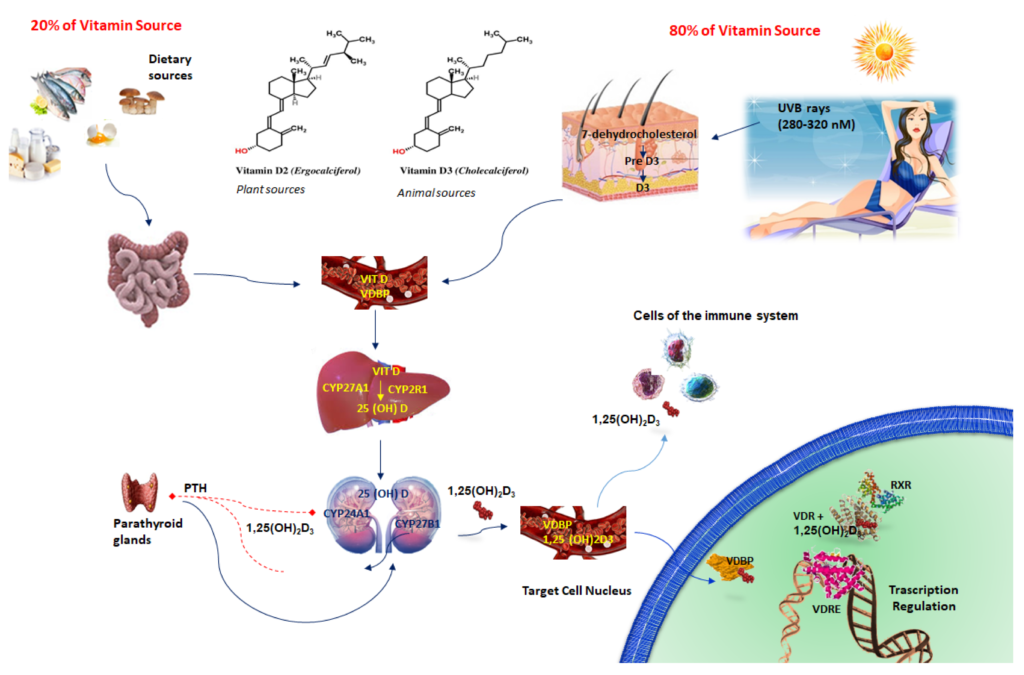
Vitamin D is both a nutrient we eat and a hormone our bodies make. It is a fat-soluble vitamin with endocrine function. In addition to its conventional role in calcium balance, it has other biological effects, such as regulation of cell growth, differentiation, and apoptosis (death), in numerous cell types and tissues. The two major forms of vitamin D,  D2 (ergocalciferol) from plant based food and D3 (cholecalciferol), that obtained in the skin when exposed to sunlight or to a lesser extent, through diet (animal source) and supplementation. Most of the vitamin D (80%) comes from sun exposure and only small amount (20%) comes from dietary sources. As you can see,  you can’t rely only on your vitamin D reach diet, especially during winter season. 

Functions of Vitamin D
  • Enhances absorption of calcium from the duodenum.
  • Facilitates absorption of phosphorus from the ileum.
  • Decreases renal elimination of calcium.
  • Increases bone resorption.
  • Decreases the synthesis and release of PTH from the parathyroid gland.
  • Controls more than 200 genes that focus on cell proliferation, 
differentiation, apoptosis, and angiogenesis.
  • Increases insulin production.
  • Reduced renin synthesis in kidneys.
  • Increases myocardial contractility.
Vitamin D synthesis and mechanism of action. 

Vitamin D is biologically inactive and requires few enzymatic steps to become biologically active.

  1. Cutaneous 7-dihydrocholesterol is converted into pre-Vitamin D3 after irradiation by ultraviolet light (UVB) from the sun.
  2. The first step occurs in the liver, where cholecalciferol is methabolized to 25-hydroxy-VitD (25(OH)D) or calcidiol, by the cytochrome P450 hydroxylase enzymes.
  3. Then, 25(OH)D is further converted, through a second hydroxylation in the kidneys by the mitochondrial cytochrome P450 enzyme, into the active 1,25-dihydroxyvitamin D3 or calcitriol. Vitamin D activation takes place not only in the kidneys but also in other organs like the immune system, where it influences a multitude of cellular functions.
  4. Active vitamin D binds the vitamin D receptor (VDR) and, afterwards, interacts with vitamin D response elements (VDREs) to start gene transcription for PTH (Parathyroid Hormone); RXR (Retinoid X Receptor); Vitamin D; and VDBP (Vitamin D Binding Protein).

 *Image borrowed from https://www.mdpi.com

Conditions that decrease exposure to UVB light and therefore lessen vitamin D absorption
  • Using sunscreen can reduce vitamin D absorption by more than 90%.
  • Wearing clothing that covers the skin.
  • Spending limited time outdoors.
  • Darker skin tones due to having higher amounts of the pigment melanin, which acts as a type of natural sunscreen.
  • Older ages when there is a decrease in 7-dehydrocholesterol levels and changes in skin, and a population that is likely to spend more time indoors.
  • Certain seasons and living in northern latitudes above the equator where UVB light is weaker. The body stores vitamin D from summer sun exposure, but it must last for many months. By late winter, many people in these higher-latitude locales are deficient.
Serum 25(OH)-D levels and vitamin D status (ng/mL)

Severe deficiency <5
Deficiency <20
Insufficiency 20–32
Sufficient 32–100 (70-100 is the best)
Excess >100 
Intoxication >150

Daily intake

Vitamin D doses, with a range between 400-2000 IU/day, are recommended based on age, amount of sunlight exposure, ethnicity, skin pigmentation, gastrointestinal absorption disorders, obesity, diabetes mellitus, liver, kidney disease and alcohol intake. 

Take good quality Vitamin D with Vitamin K for better absorption.  

Warning

Acute toxicity can occur using an excess dose of 10,000 IU/day of vitamin D, which results in serum 25(OH)D concentrations >150 ng/mL. Potential chronic toxicity would result from administering doses above 4000 IU/day for extended periods, i.e., for years, that cause serum 25(OH)D concentrations in the 100–150 ng/mL range.

Food Source of Vitamin D
  • Cod liver oil
  • Salmon
  • Swordfish
  • Tuna fish
  • Sardines
  • Beef liver
  • Egg yolk
  • Green onion,
  • Parsley
  • Watercress

Please, get to know your blood vitamin D level before you start taking supplements. You can ask your doctor to add vitamin D to your regular annual blood testing. Most blood panels already include vitamin D. If you don’t have an insurance or you would like to do the test independently, you can use Direct Lab testing HERE.