
Functional Genomics and Fertility:
What Your DNA Can Reveal Before Pregnancy
Why a Personalized Approach to Preconception Health Matters
When it comes to preparing for pregnancy, most women receive the same advice:
➡ Take a prenatal vitamin.
➡ Eat healthy.
➡ Reduce stress.
➡ Exercise regularly.
While these recommendations provide a helpful foundation, they don’t answer an important question:
What if your body has unique biological needs that require a more personalized approach?
This is where functional genomics can provide valuable insights.
Your DNA contains information that influences how your body processes nutrients, responds to stress, detoxifies environmental toxins, regulates hormones, and supports reproductive health.
Understanding these genetic variations can help identify opportunities to optimize your health before pregnancy and create a stronger foundation for fertility, pregnancy, and the health of future generations
In This Article
- What functional genomics is
- Why genetics matters in preconception health
- Common genetic variations that influence fertility
- Methylation and reproductive health
- Detoxification pathways and environmental resilience
- Nutrient personalization
- The role of functional genomics in Preconception Intelligence™
What Is Functional Genomics?
Many people think genetics determines their destiny.
Fortunately, that isn’t how biology works.
Your genes provide a blueprint, but they do not control every outcome.
Functional genomics is the study of how genes interact with lifestyle, nutrition, environmental factors, stress, and other influences that affect health and biological function.
In other words:
Genes load the gun. Environment pulls the trigger.
Two women may carry similar genetic variations but experience very different health outcomes depending on how their genes interact with their environment.
This is why understanding genetics is only one piece of the puzzle.
The goal is not to identify “bad genes.”
The goal is to understand how your body works so you can support it more effectively
Why Genetics Matters Before Pregnancy
The months before conception represent a unique opportunity to optimize the biological environment that supports fertility and pregnancy.
Genetic variations may influence:
- Nutrient requirements
- Methylation capacity
- Detoxification pathways
- Inflammation
- Hormone metabolism
- Neurotransmitter function
- Stress resilience
- Oxidative stress response
- Cellular energy production
Understanding these factors can help women make more informed decisions about nutrition, supplementation, lifestyle, and environmental exposures before conception.
Methylation: One of the Most Important Biological Pathways
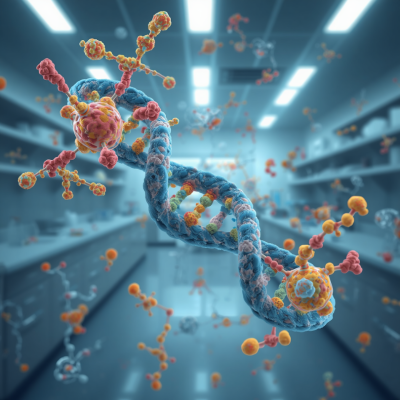
One of the most commonly discussed areas in functional genomics is methylation.
Methylation is a fundamental biochemical process involved in:
- DNA repair
- Detoxification
- Hormone regulation
- Neurotransmitter production
- Cellular function
- Healthy fetal development
Certain genetic variations may affect how efficiently methylation pathways function.
The most well-known example involves the MTHFR gene.
Although MTHFR has received significant attention in recent years, it is important to understand that it represents only one piece of a much larger methylation network.
Rather than focusing on a single genetic variation, a functional genomics approach evaluates how multiple pathways work together to influence overall health.
Detoxification Pathways and Environmental Health

Modern life exposes us to thousands of environmental compounds through food, water, air, personal care products, and household products.
The body relies on sophisticated detoxification pathways to process and eliminate these exposures.
Genetic variations may influence how efficiently certain detoxification enzymes function.
This does not mean that detoxification is “broken.”
It simply means that some individuals may benefit from additional support through nutrition, lifestyle modifications, and reduced environmental burden.
Because environmental exposures can affect reproductive health, understanding detoxification capacity may be particularly valuable during the preconception period.
Nutrient Needs Are Not the Same for Everyone
One of the most powerful applications of functional genomics is nutritional personalization.
Two women may eat the same diet and take the same supplements yet experience very different outcomes.
Why?
Because genetic variations can influence how nutrients are absorbed, activated, transported, and utilized.
Examples include pathways involved in:
- Folate metabolism
- Vitamin B12 utilization
- Vitamin D activation
- Choline requirements
- Omega-3 metabolism
- Antioxidant production
- Mineral transport
Understanding these variations can help create more targeted nutritional strategies before pregnancy.
Genetics, Hormones, and Reproductive Health
Hormonal health is influenced by far more than reproductive organs.
Genetic pathways may affect:
- Estrogen metabolism
- Progesterone balance
- Stress hormone regulation
- Thyroid function
- Insulin sensitivity
- Inflammatory responses
These systems work together to influence reproductive function and overall wellbeing.
When evaluating fertility through a functional genomics lens, it becomes easier to understand why a personalized approach often produces better results than generic recommendations.
Download the Preconception Reset Blueprint
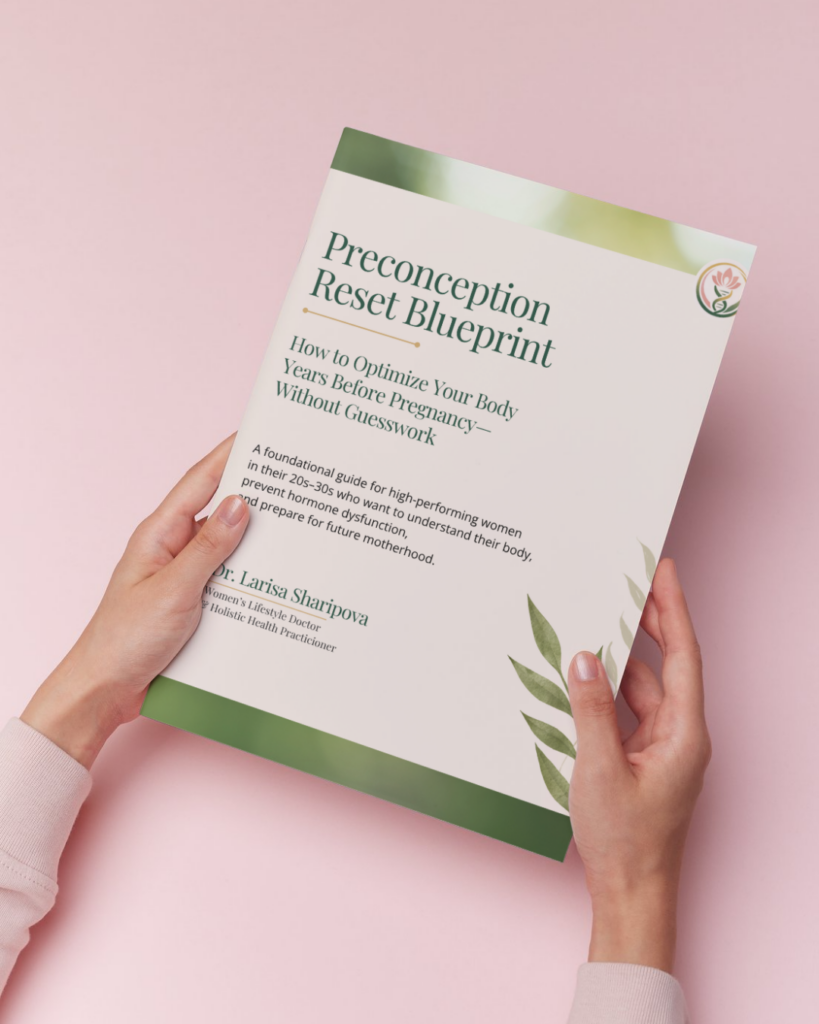
Want to learn the foundational steps that support fertility, hormone balance, and preconception health?
Download the free guide:
The Preconception Reset Blueprint
Inside you’ll discover:
✓ The key pillars of preconception health
✓ Common factors affecting fertility
✓ Lifestyle strategies to support reproductive wellness
✓ Steps you can take before pregnancy to optimize your health
Functional Genomics Is About Potential, Not Prediction
One of the biggest misconceptions about genetic testing is the belief that genes predict the future.
They do not.
Genetic testing is not a crystal ball.
Instead, it provides information about biological tendencies and opportunities for personalization.
Most genetic variations are not diseases.
They are clues.
When combined with health history, lifestyle factors, laboratory data, and clinical evaluation, those clues can help create a more individualized approach to health optimization.
Functional Genomic Personalization in Preconception Intelligence™
Within the Preconception Intelligence™ framework, functional genomic personalization serves as a central organizing principle.
Rather than applying the same protocol to every woman, functional genomics helps identify individual differences that may influence:
- Nutrient requirements
- Hormone balance
- Detoxification support
- Stress resilience
- Metabolic function
- Reproductive health
This personalized approach allows women to move beyond generic recommendations and better understand the unique biology they bring into pregnancy.
Final Thoughts
Your DNA does not determine your future.
But it can provide valuable insights about how your body functions.
When used appropriately, functional genomics offers an opportunity to personalize preconception care, optimize health before pregnancy, and support the biological foundations that influence both mother and child.
The goal is not to change your genes.
The goal is to understand them well enough to make informed choices that support your health and the health of future generations.
Curious About Your Unique Biology?
Every woman has a different genetic blueprint.
Functional genomic testing is a core component of the personalized approach used within the Preconception Intelligence™ framework.
If you’re interested in understanding how your genetics may influence fertility, hormone balance, detoxification, and preconception health, learn more about working with Dr. Larisa.
Continue Your Learning
Next Article
The Hidden Factors Affecting Egg Quality: Beyond Age and Hormones
Discover how inflammation, oxidative stress, sleep quality, environmental exposures, and metabolic health may influence reproductive wellness.
Scientific References
- Jones PA, Ohtani H, Chakravarthy A, De Carvalho DD. Epigenetic Therapy in Immune-Oncology. Nature Reviews Cancer. 2019.
- Bailey LB, Gregory JF. Folate Metabolism and Requirements. Journal of Nutrition. 1999.
- Zeisel SH. The Importance of Choline in Pregnancy and Fetal Development. American Journal of Clinical Nutrition. 2006.
- Dominguez-Salas P, Moore SE, Baker MS, et al. Maternal Nutrition at Conception Modulates DNA Methylation of Human Metastable Epialleles. Nature Communications. 2014.
- Ashrap P, Watkins DJ, Calafat AM, et al. Environmental Chemicals and Reproductive Health: Implications for Preconception Care. Current Environmental Health Reports. 2021.
- Rappaport SM. Genetic Factors Are Not the Major Causes of Chronic Diseases. PLoS One. 2016.
- Burggren WW. Epigenetics as a Source of Variation in Comparative Animal Physiology. Comparative Biochemistry and Physiology. 2016.