
Metabolic Health Before Pregnancy:
Why Blood Sugar Matters More Than You Think

The Fertility Factor Most Women Never Hear About
When women think about preparing for pregnancy, they often focus on reproductive hormones.
 Estrogen.
Progesterone.
Ovulation.
Egg quality.
While these factors are important, they are only part of the picture.
One of the most overlooked influences on fertility is metabolic health—the body’s ability to efficiently produce, store, and use energy.
In today’s world, many women in their 20s and 30s experience signs of metabolic dysfunction long before obvious disease develops.
They may appear healthy, maintain a normal weight, and have routine lab results that fall within normal ranges.
Yet they often experience:
- Energy crashes
- Brain fog
- Cravings
- Hormonal symptoms
- Difficulty recovering from stress
- Chronic inflammation
- Poor sleep
These are not simply lifestyle inconveniences.
They may be early signs that the body’s energy systems need support.
And because reproduction is one of the body’s most energy-intensive processes,
metabolic health plays a significant role in preconception wellness.
In This Article
- What metabolic health actually means
- The connection between blood sugar and fertility
- Why insulin matters even if you are not diabetic
- Metabolic health and hormone balance
- Inflammation and reproductive function
- The hidden impact of stress on metabolism
- Practical strategies to improve metabolic resilience
What Is Metabolic Health?
Metabolism is often associated with weight loss.
In reality, metabolism refers to the countless biochemical processes that allow your body to create and use energy.
Metabolic health includes:
- Blood sugar regulation
- Insulin sensitivity
- Energy production
- Mitochondrial function
- Inflammatory balance
- Hormonal communication
When these systems function efficiently, the body has the resources needed to support long-term health and reproduction.
When they become dysregulated, multiple systems may be affected—including fertility.
Why Blood Sugar Matters for Fertility
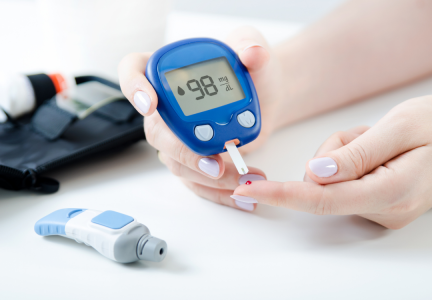
Every cell in the body depends on a steady supply of energy.
Blood sugar serves as one of the body’s primary fuel sources.
The challenge arises when blood sugar repeatedly swings between highs and lows.
Common contributors include:
- Skipping meals
- Excessive processed foods
- Poor sleep
- Chronic stress
- Sedentary behavior
- Highly refined carbohydrates
Over time, unstable blood sugar can influence:
- Hormone production
- Ovulation
- Inflammation
- Energy levels
- Appetite regulation
- Mood stability
Healthy blood sugar regulation creates a more stable biological environment for reproductive health.
Insulin: The Hormone Behind the Scenes
Insulin helps move glucose from the bloodstream into cells where it can be used for energy.
When cells become less responsive to insulin—a condition known as insulin resistance—the body must produce more insulin to achieve the same effect.
Even mild insulin resistance may influence:
- Ovarian function
- Androgen production
- Ovulation patterns
- Inflammation
- Hormonal balance
Importantly, insulin resistance can exist long before diabetes develops.
Many women are unaware of metabolic changes occurring beneath the surface.
Fertility Is an Energy-Dependent Process
From a biological perspective, reproduction requires substantial energy resources.
The body continuously assesses whether sufficient resources are available to support:
- Ovulation
- Pregnancy
- Fetal development
- Lactation
- Maternal recovery
When energy regulation becomes compromised, reproductive systems may be affected.
This is one reason metabolic health has become an increasingly important focus in modern fertility research.
Inflammation: The Common Denominator
Inflammation is not inherently harmful.
It plays a critical role in healing and immune defense.
Problems arise when inflammation becomes chronic.
Contributors may include:
- Blood sugar instability
- Ultra-processed foods
- Chronic stress
- Poor sleep
- Environmental exposures
- Physical inactivity
Persistent inflammation can affect hormone signaling, cellular function, and reproductive health.
Reducing inflammatory burden is one of the most effective ways to support overall biological resilience.
Why High-Achieving Women Are Often at Risk

Many successful women spend years operating in a state of constant productivity.
Busy schedules, deadlines, travel, and high responsibility often create chronic physiological stress.
This can lead to:
- Elevated cortisol
- Sleep disruption
- Increased inflammation
- Blood sugar dysregulation
- Poor recovery
Over time, the body becomes less efficient at regulating energy.
This does not mean something is “wrong.”
It simply means the body has adapted to prolonged demands.
The encouraging news is that metabolism is highly responsive to lifestyle changes.
Metabolic Health and Egg Quality
Egg development requires energy.
In fact, egg cells contain some of the highest concentrations of mitochondria in the human body.
Mitochondria are responsible for producing cellular energy.
When metabolic health is supported, the body is better equipped to maintain:
- Cellular energy production
- Hormonal balance
- Oxidative stress regulation
- Reproductive resilience
This is one reason metabolic health has become a cornerstone of modern preconception care.
Signs Your Metabolism May Need Support
Potential indicators include:
- Fatigue after meals
- Cravings for sugar or carbohydrates
- Energy crashes
- Brain fog
- Difficulty losing excess weight
- Poor sleep
- Increased waist circumference
- Irritability when meals are delayed
- Persistent hunger
These symptoms do not diagnose a condition, but they may suggest an opportunity to strengthen metabolic resilience.
Practical Ways to Support Metabolic Health
The goal is not perfection.
The goal is consistency.
Prioritize Protein
Protein supports blood sugar stability and satiety.
Eat Regular Meals
Avoid long periods of under-fueling followed by overeating.
Build Muscle
Resistance training improves insulin sensitivity and metabolic function.
Prioritize Sleep
Sleep is one of the strongest regulators of metabolism.
Manage Stress
Nervous system regulation directly influences blood sugar control.
Focus on Whole Foods
Nutrient-dense foods provide the building blocks required for optimal metabolic function.
Spend Time Outdoors
Movement, sunlight, and circadian rhythm support contribute to metabolic health.
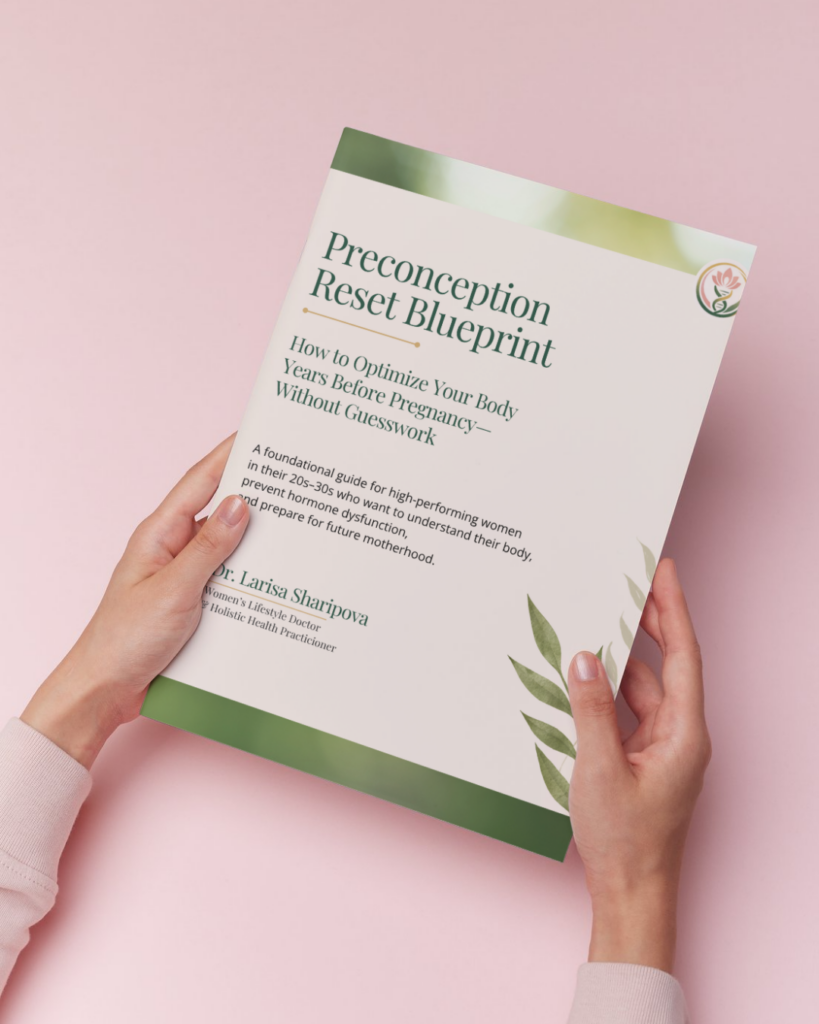
Download the Preconception Reset Blueprint
Preparing for pregnancy involves far more than reproductive hormones.
Inside you’ll learn:
✓ The five pillars of preconception health
✓ Common hidden fertility stressors
✓ How metabolism influences reproductive wellness
✓ Practical strategies to optimize your biology before pregnancy
Metabolic Health Is Preconception Health
Many women are surprised to learn that fertility reflects the health of the entire body.
Reproductive health is not separate from metabolism.
It is deeply connected to it.
The healthier and more resilient your metabolic systems become, the better positioned your body is to support fertility, pregnancy, recovery, and long-term wellbeing.
This is why metabolic health serves as one of the foundational pillars of the Preconception Intelligence™ framework.
Final Thoughts
The most important fertility conversation may not be about age.
It may be about energy.
Because before the body can support pregnancy, it must first feel capable of supporting itself.
Metabolic health provides the foundation for that capacity.
By supporting blood sugar regulation, insulin sensitivity, inflammation balance, and cellular energy production, women can create a stronger biological environment for reproductive health and future generations.
Continue Your Learning
Next Article
Conscious Preparation for Motherhood: Why Emotional Health Matters Before Pregnancy
Discover why preparing for motherhood involves more than physical health—and how emotional wellbeing, relationships, identity, and lifestyle alignment influence the transition into parenthood.
Ready for a Personalized Approach?
Through the Preconception Intelligence™ framework, Dr. Larisa helps women evaluate metabolic health, nervous system regulation, functional genomics, and lifestyle factors that may influence fertility and long-term reproductive wellness.
Scientific References
- Gaskins AJ, Chavarro JE. Diet and Fertility: A Review. American Journal of Obstetrics and Gynecology. 2018.
- Palomba S, de Wilde MA, Falbo A, et al. Pregnancy Complications in Women with Polycystic Ovary Syndrome.Human Reproduction Update. 2015.
- Barrea L, Frias-Toral E, Verde L, et al. Nutrition and Reproductive Health. Nutrients. 2021.
- Diamanti-Kandarakis E, Dunaif A. Insulin Resistance and the Polycystic Ovary Syndrome Revisited. Endocrine Reviews. 2012.
- Silvestris E, Lovero D, Palmirotta R. Nutrition and Female Fertility: An Interdependent Correlation. Frontiers in Endocrinology. 2019.
- Rattanavichit Y, et al. Metabolic Health and Reproductive Outcomes in Women of Reproductive Age. Journal of Clinical Medicine. 2023.
- Jungheim ES, Moley KH. Current Knowledge of Obesity’s Effects in the Pre- and Periconceptional Periods and Avenues for Future Research. American Journal of Obstetrics and Gynecology. 2010.