
Nervous System Regulation and Fertility:
The Missing Piece of Preconception Health
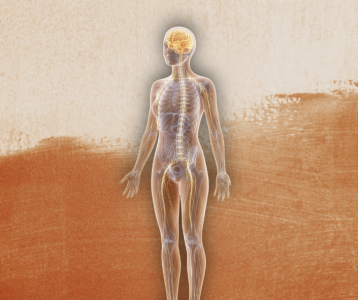
Why High-Achieving Women Need a Different Conversation About Fertility
Most fertility conversations focus on hormones.
➡ Estrogen.
➡ Progesterone.
➡ Ovulation.
➡ AMH.
➡ Lab results.
While these factors are important, they often overlook a foundational system that influences them all:
Sleep is one of the most powerful regulators of hormonal and nervous system health.
The Nervous System
For many women, especially those balancing demanding careers, ambitious goals, busy schedules, and constant responsibilities, the nervous system may be one of the most overlooked factors affecting reproductive health.
The reality is that fertility does not operate independently from the rest of the body.
Reproductive health is deeply connected to how safe, supported, and resilient the body feels on a physiological level.
This is why nervous system regulation serves as the foundation of the Preconception Intelligence™ framework.
In This Article
- What nervous system regulation means
- The connection between stress physiology and fertility
- Why high-performing women may be particularly vulnerable
- How chronic stress influences hormones
- The role of cortisol in reproductive health
- Signs of nervous system overload
- Practical ways to support nervous system resilience
- Why fertility is a whole-body process
Your Body Is Always Asking One Question
At every moment, your nervous system is gathering information from your environment.
Without conscious awareness, your body is constantly asking:
“Am I safe?”
When the answer is yes, the body can prioritize long-term functions such as:
- Reproduction
- Digestion
- Cellular repair
- Immune balance
- Hormonal regulation
When the answer is no, the body shifts resources toward immediate survival and adaptation.
This response is incredibly intelligent.
It is designed to protect you.
The challenge is that modern life often keeps the nervous system activated for long periods of time.
Not because of physical danger, but because of ongoing psychological, emotional, and physiological stressors.
The Modern Stress Response
Today’s stressors look very different from those faced by our ancestors.
Instead of escaping predators, many women navigate:
- High-pressure careers
- Financial responsibilities
- Constant connectivity
- Information overload
- Lack of recovery time
- Perfectionism
- Relationship stress
- Sleep disruption
- Chronic overcommitment
The nervous system responds to these pressures using the same biological mechanisms it would use in response to a physical threat.
Over time, this creates what many experts describe as chronic stress physiology.
Why Fertility Is Sensitive to Stress
The reproductive system is one of the body’s most energy-intensive systems.
From a biological perspective, reproduction requires significant resources.
When the body perceives ongoing stress or insufficient reserves, it may adapt by shifting resources away from long-term reproductive priorities and toward immediate survival needs.
This does not mean stress automatically causes infertility.
Fertility is complex and influenced by many factors.
However, research shows that stress physiology can influence the systems that support reproductive health, including:
- Hormone signaling
- Ovulation patterns
- Sleep quality
- Metabolic function
- Immune regulation
- Inflammatory processes
This is why fertility cannot be fully understood through hormones alone.
The Cortisol Connection
Cortisol is often called the body’s primary stress hormone.
In healthy amounts, cortisol is essential.
It helps regulate:
- Energy production
- Blood sugar balance
- Immune responses
- Circadian rhythms
- Adaptation to stress
Problems arise when the stress response remains activated for extended periods.
Chronically elevated or dysregulated cortisol patterns may contribute to:
- Sleep disruption
- Blood sugar instability
- Increased inflammation
- Reduced recovery capacity
- Hormonal imbalances
Because reproductive hormones operate within an interconnected network, stress physiology can influence fertility indirectly through multiple pathways.
Why High-Achieving Women Often Miss
the Warning Signs
One of the most common misconceptions about stress is that people know when they are stressed.
Many high-performing women do not feel stressed in the traditional sense.
Instead, they feel:
- Busy
- Productive
- Driven
- Focused
- Responsible
They may continue functioning at a high level while their bodies operate in a prolonged state of physiological activation.
Over time, this can become their normal.
As a result, signs of nervous system overload are often overlooked.
Signs Your Nervous System May Need
More Support
Every woman is different, but common indicators may include:
- Difficulty falling asleep
- Waking during the night
- Feeling tired but wired
- Increased anxiety or overwhelm
- Irregular cycles
- Fatigue despite adequate rest
- Digestive complaints
- Frequent illness
- Difficulty relaxing
- Constant mental activity
These symptoms do not automatically indicate fertility problems.
However, they may suggest that the body would benefit from additional recovery and regulation.
Download the Preconception Reset Blueprint
If you’re planning for pregnancy in the next year—or simply want to build a stronger foundation for future health—download the free guide:
Inside you’ll learn:
✓ The five pillars of preconception health
✓ Common factors affecting reproductive wellness
✓ Practical strategies to support your nervous system
✓ Steps to begin optimizing your biology before pregnancy
Nervous System Regulation Is Not About Eliminating Stress
Stress is part of life.
The goal is not to avoid every challenge.
The goal is to increase your capacity to recover.
Nervous system regulation involves helping the body move more efficiently between activation and restoration.
It is about flexibility, adaptability, and resilience.
Women often experience the greatest improvements when they focus on consistent practices that support recovery rather than searching for a single solution.
Practical Ways to Support Nervous System Resilience
Small daily practices can create meaningful changes over time.
Examples include:
1. Prioritize Sleep
Sleep is one of the most powerful regulators of hormonal and nervous system health.
2. Create Recovery Time
The body requires periods of restoration between periods of performance.
3. Support Blood Sugar Stability
Metabolic stress can contribute to nervous system stress.
Balanced meals help create physiological stability.
4. Spend Time in Nature
Research consistently demonstrates benefits for stress reduction and overall wellbeing.
5. Practice Mindful Breathing
Slow, intentional breathing may help activate parasympathetic pathways associated with rest and recovery.
6. Build Emotional Support
Healthy relationships contribute to resilience and wellbeing.
7. Reduce Chronic Overstimulation
Creating moments of quiet throughout the day allows the nervous system opportunities to reset.
The Missing Piece of Preconception Health
Many women approach fertility by focusing exclusively on hormones, supplements, and laboratory testing.
While these tools can be valuable, they do not address the environment in which those systems operate.
The nervous system influences nearly every aspect of health.
When it is supported, the body is better positioned to regulate hormones, recover from stress, maintain metabolic balance, and support reproductive function.
This is why nervous system regulation is not an optional wellness practice.
It is a foundational component of preconception health.
Final Thoughts
The goal of preparing for pregnancy is not simply to optimize fertility.
It is to create a resilient biological foundation that supports conception, pregnancy, postpartum recovery, and long-term health.
For many women, that journey begins with a simple but powerful realization:
Your body is not a machine that needs to be pushed harder.
It is a living system that functions best when it feels supported, nourished, and safe.
When the nervous system becomes part of the fertility conversation, a more complete picture of reproductive health begins to emerge.
And often, that is the missing piece.
Ready for a Personalized Approach?
Within the Preconception Intelligence™ framework, nervous system regulation serves as the foundation for personalized preconception care.
By integrating functional genomics, metabolic health, lifestyle medicine, and nervous system resilience, women can better understand the factors shaping their reproductive health before pregnancy.
Continue Your Learning
Next Article:
Environmental Toxins and Fertility: How Modern Exposures May Influence Reproductive Health
Learn how everyday environmental exposures may affect hormone balance, detoxification pathways, and preconception health—and discover practical ways to reduce your toxic burden.
Scientific References
- Rooney KL, Domar AD. The Relationship Between Stress and Infertility. Dialogues in Clinical Neuroscience. 2018.
- Lynch CD, Sundaram R, Maisog JM, Sweeney AM, Buck Louis GM. Preconception Stress Increases the Risk of Infertility. Human Reproduction. 2014.
- McEwen BS. Protective and Damaging Effects of Stress Mediators. New England Journal of Medicine. 1998.
- Berga SL, Loucks TL. The Diagnosis and Treatment of Stress-Induced Anovulation. Minerva Ginecologica. 2005.
- Kalmbach DA, Pillai V, Arnedt JT, Drake CL. Sleep System Sensitization and Stress-Related Sleep Disturbance.Sleep Medicine Clinics. 2016.
- Chrousos GP. Stress and Disorders of the Stress System. Nature Reviews Endocrinology. 2009.