
Environmental Toxins and Fertility:
How Modern Exposures May Influence Reproductive Health

Why What Surrounds You Matters Before Pregnancy
Most women understand that nutrition, exercise, and stress management can influence fertility.
Far fewer realize that the environment they live in every day may also affect reproductive health.
From the air we breathe to the products we apply to our skin, modern life exposes us to thousands of synthetic chemicals and environmental compounds. While many of these exposures occur at low levels, researchers are increasingly investigating how cumulative exposure may influence hormone balance, reproductive function, and long-term health.
The good news?
You do not need to live in a toxin-free bubble to support your fertility.
Small, intentional changes can significantly reduce your overall environmental burden and help create a healthier foundation for pregnancy.
In This Article
- Why environmental health matters for fertility
- What endocrine-disrupting chemicals are
- How toxins may influence reproductive health
- The role of detoxification pathways
- Common sources of environmental exposure
- Functional genomics and detoxification differences
- Practical ways to reduce toxic burden
- Building a healthier environment before pregnancy
Fertility Does Not Exist in Isolation
The reproductive system is deeply connected to the rest of the body.
Healthy fertility depends on:
- Hormonal balance
- Metabolic health
- Immune function
- Cellular energy production
- Nervous system regulation
- Detoxification pathways
Environmental exposures can influence many of these systems simultaneously.
This does not mean that a single chemical causes infertility.
Rather, fertility may be affected by the cumulative impact of multiple stressors acting together over time.
For high-achieving women already navigating demanding schedules, chronic stress, and limited recovery, reducing unnecessary environmental burden can help support overall biological resilience.
What Are Endocrine-Disrupting Chemicals?
Endocrine-disrupting chemicals (EDCs) are substances that may interfere with the body’s hormonal communication systems.
Researchers have identified hundreds of compounds that may interact with hormone receptors or influence hormone production, transport, or metabolism.
Common examples include:
- Bisphenol A (BPA)
- Phthalates
- Certain pesticides
- PFAS (“forever chemicals”)
- Some flame retardants
- Certain ingredients in personal care products
Because hormones help regulate reproduction, metabolism, thyroid function, and development, scientists continue to study how these compounds may influence reproductive health.
Why Hormones Are Particularly Sensitive
Hormones function as the body’s chemical messengers.
They operate at extremely small concentrations and rely on precise signaling.
Even subtle disruptions may influence:
- Ovulation
- Menstrual cycle regularity
- Hormone metabolism
- Egg maturation
- Implantation
- Pregnancy outcomes
While fertility is influenced by many factors, researchers increasingly recognize environmental health as an important piece of the reproductive health puzzle.
The Body's Detoxification System
One of the most remarkable systems in the human body is its ability to process and eliminate unwanted compounds.
Detoxification primarily occurs through the liver, digestive tract, kidneys, skin, and lymphatic system.
The body continuously works to:
- Transform compounds into usable forms
- Neutralize harmful substances
- Eliminate waste products
- Maintain biological balance
However, modern exposure levels may place additional demands on these systems.
This is why supporting detoxification pathways through nutrition, sleep, hydration, movement, and stress regulation becomes an important component of preconception health.
Functional Genomics and Detoxification
One reason environmental exposures affect people differently is that genetics influence how the body processes certain compounds.
Functional genomic testing may identify variations in genes involved in:
- Detoxification pathways
- Antioxidant production
- Inflammatory responses
- Methylation processes
- Hormone metabolism
This does not mean detoxification pathways are “broken.”
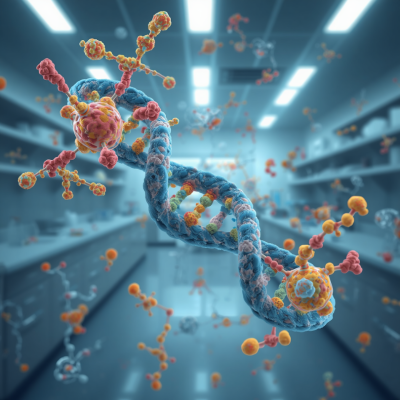
Rather, some women may benefit from a more personalized approach to nutrition, lifestyle, and environmental support.
This is one reason functional genomic personalization sits at the center of the Preconception Intelligence™ framework
Common Sources of Environmental Exposure
Most exposure comes not from a single source but from everyday habits and products.
Plastics and Food Storage
Plastic containers, food packaging, bottled water, and food wrappers may contribute to chemical exposure over time.
Personal Care Products
Shampoos, lotions, cosmetics, fragrances, and other beauty products can contain ingredients that contribute to cumulative exposure.
Household Cleaning Products
Many conventional cleaners contain chemicals that may affect indoor air quality.
Pesticides and Food Residues
Conventionally grown produce may contain pesticide residues, although levels vary considerably.
Water Quality
Drinking water may contain contaminants depending on local sources and treatment systems.
Indoor Air Pollution
Dust, building materials, furniture, and household products can contribute to indoor environmental load.
Signs Your Body May Be Carrying Excess Biological Burden
Environmental exposures rarely produce obvious symptoms.
Instead, they contribute to overall physiological load.
Potential signs that additional support may be helpful include:
- Persistent fatigue
- Hormonal imbalances
- Increased sensitivity to chemicals
- Frequent headaches
- Brain fog
- Skin issues
- Digestive complaints
- Difficulty recovering from stress
These symptoms are not diagnostic of toxic exposure, but they may indicate that the body’s resilience systems could benefit from support.
Practical Ways to Reduce Toxic Burden
The goal is not perfection.
The goal is progress.
Consider focusing on a few high-impact changes.
1. Filter Your Drinking Water
Clean water is one of the simplest ways to reduce daily exposure.
2. Reduce Plastic Use
Choose glass or stainless steel whenever practical, especially for food and beverages.
3. Avoid Heating Food in Plastic
Heat can increase the migration of chemicals from containers into food.
4. Choose Cleaner Personal Care Products
Gradually replace products with simpler ingredient profiles.
5. Improve Indoor Air Quality
Open windows regularly, use air filtration when appropriate, and reduce synthetic fragrances.
6. Prioritize Whole Foods
Nutrient-dense foods support the body’s natural detoxification systems.
7. Support Daily Elimination
Hydration, fiber intake, movement, and healthy digestion all play important roles.
The Bigger Picture: Resilience Over Perfection
Many women become overwhelmed when they begin learning about environmental health.
It can feel impossible to avoid every exposure.
Fortunately, that is not necessary.
The body is designed to handle a certain amount of environmental stress.
The goal is not to eliminate every toxin.
The goal is to reduce unnecessary burden while strengthening the body’s ability to adapt and recover.
This is a much more empowering—and sustainable—approach.
Environmental Health and Future Generations
One of the most compelling areas of emerging research involves the connection between preconception health and future generations.
Scientists continue to investigate how environmental exposures before conception may influence reproductive outcomes and developmental health.
While much remains to be learned, the evidence supports a simple principle:
The healthier the environment supporting conception, the healthier the foundation for pregnancy may be.
This makes environmental wellness an important component of intentional preconception preparation.
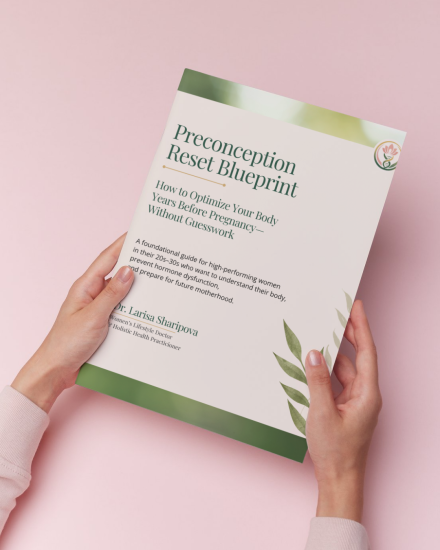
Download the Preconception Reset Blueprint
If you’re planning for pregnancy in the future, understanding your environmental exposures is just one piece of the puzzle.
Inside you’ll discover:
✓ The five pillars of preconception health
✓ Common factors affecting reproductive wellness
✓ Simple steps to reduce toxic burden
✓ How to support your body’s natural resilience
Final Thoughts
Modern life comes with unavoidable environmental exposures.
The goal is not fear.
The goal is awareness.
When combined with nervous system regulation, metabolic health, nutrient optimization, and functional genomic personalization, reducing environmental burden can help support the biological environment that influences fertility and long-term health.
Small changes made consistently often create the greatest impact.
And every positive step you take before pregnancy is an investment in your own health and the health of future generations.
Continue Your Learning
Next Article
Metabolic Health Before Pregnancy: Why Blood Sugar Matters More Than You Think
Discover how blood sugar balance, insulin sensitivity, inflammation, and metabolic resilience influence fertility, pregnancy outcomes, and long-term health.
Ready for a Personalized Approach?
Every woman processes environmental exposures differently.
Through the Preconception Intelligence™ framework, Dr. Larisa helps women identify biological factors that may influence detoxification, resilience, and reproductive health before pregnancy.
Scientific References
- Gore AC, Chappell VA, Fenton SE, et al. EDC-2: The Endocrine Society’s Second Scientific Statement on Endocrine-Disrupting Chemicals. Endocrine Reviews. 2015.
- La Merrill M, Emond C, Kim MJ, et al. Toxicological Function of Endocrine-Disrupting Chemicals in Reproductive Health. Endocrinology. 2020.
- Braun JM. Early-Life Exposure to EDCs and Child Health Outcomes. Current Environmental Health Reports. 2017.
- Heindel JJ, Blumberg B, Cave M, et al. Metabolism Disrupting Chemicals and Metabolic Disorders. Reproductive Toxicology. 2017.
- Vrijheid M, Slama R, Robinson O, et al. The Human Early-Life Exposome Project. Environmental Health Perspectives. 2014.
- Diamanti-Kandarakis E, Bourguignon JP, Giudice LC, et al. Endocrine-Disrupting Chemicals: An Endocrine Society Scientific Statement. Endocrine Reviews. 2009.
- National Academies of Sciences, Engineering, and Medicine. Guidance on PFAS Exposure, Testing, and Health Outcomes. 2022.